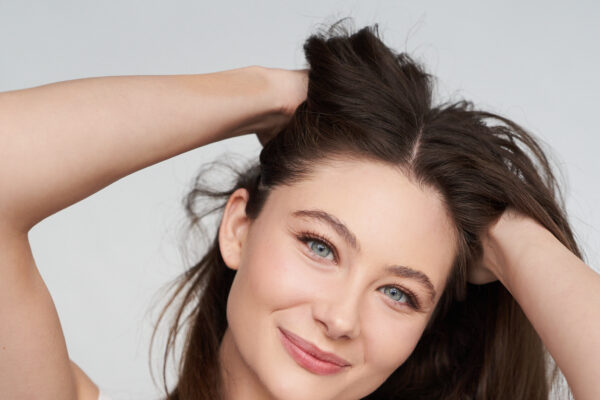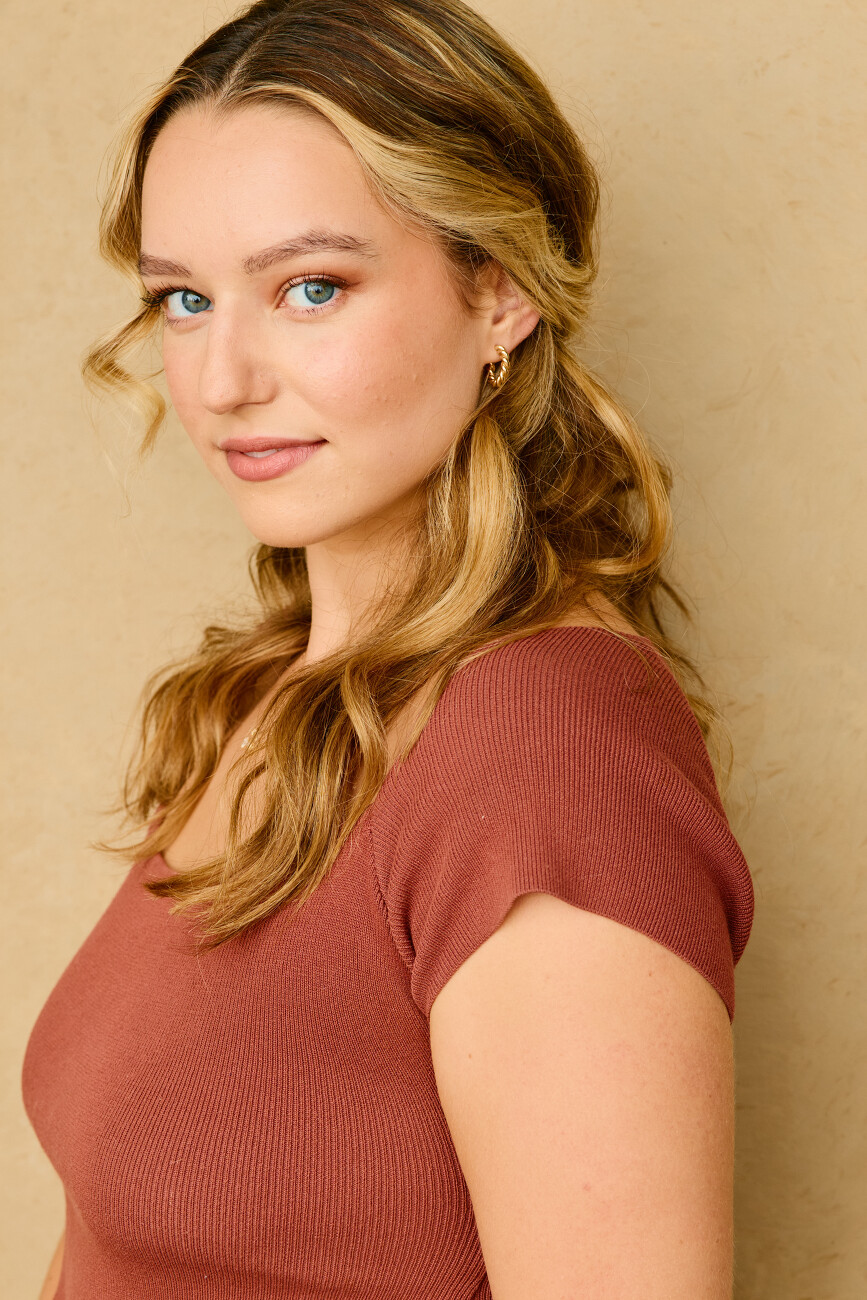

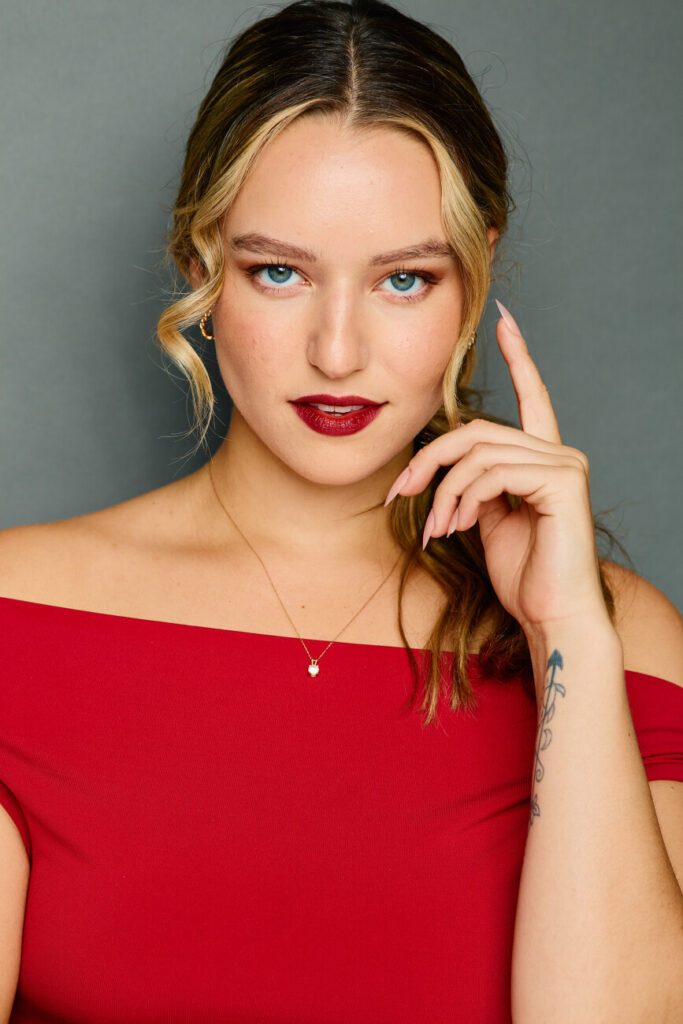
Christine Havens is candid in a way that feels increasingly rare in entertainment. Thoughtful and funny, she’s willing to talk about the parts of the industry that are exciting, unpredictable and, at times, difficult.
“I want to talk about the things that no one talks about,” she says. For Havens, that honesty isn’t about exposing other people – it’s about creating space for conversations that might make the industry safer and more transparent. “I think sharing creates community.”
From Music to Acting
Havens was singing long before she was acting. “Singing came first,” she says. “I have been singing since I was like five years old or younger.” Raised by a pianist mother, she moved through church choir, an audition-based youth choir, high school a cappella, and eventually a performing arts school – where acting entered almost by accident. “I did not know anything about it,” she recalls. “I just kind of said the lines because I didn’t know what acting was.”
By graduation, though, she knew she wanted TV and film, and felt pulled toward California. A dual-campus college let her start near her Connecticut home before transferring west. “I really felt drawn to California,” she says. “I love it out here.”
Breaking Out of the Box
Vertical dramas – fast-turnaround, mobile-first serials – gave Havens a place to sharpen her range, even as the format’s speed left little room to prepare. “There are some very phenomenal actors in the vertical space,” she says.
Early on, she was typecast as the villain – until she’d had enough. “I got hired a lot for villains in the beginning, and then eventually I was tired of it. I was like, ‘I can do these lead characters.'” She stopped auditioning for villain roles; work slowed for about a month, then leads started coming back-to-back. “You just have to give people the opportunity to see you in a different light.”
She knows her natural lane – “I’m definitely a powerhouse, confident woman” – but pushes back on the idea that it limits her. “Every actor has strengths of what they play, but that doesn’t mean I can only do one type of character.”
Chemistry and Emotional Cost
Chemistry, Havens says, is less about attraction and more about a scene partner who gives something back. “I can create chemistry with a wall,” she jokes, before pointing to recent co-star Rachel Emma Goodwin as a standout: “I can see the thoughts in her head, and she can see mine.”
That connection has a cost when the material turns heavy. Havens recently played a dancer supporting a sick mother, incorporating pole work learned from her cousin, a pole instructor, alongside extensive crying scenes. “You’re bringing out all this sadness, and that doesn’t just drop as soon as I get off set,” she says. “This one really shook me.” She believes audiences often underestimate how much emotionally difficult material affects performers, which is why she prioritizes looking out for castmates in the same position.
Turning Downtime Into Writing
The biggest recent shift in Havens’ career happened off camera: she wrote her first vertical drama. “I never considered myself a writer,” she says – she’d only written poetry before. A slower stretch between acting jobs gave her the opening. “I’m really proud of that. That’s a really big accomplishment for me.” She’s now building a pitch deck and casting ideas ahead of submitting the project to production companies.
AI, Actors and What Audiences Actually Want
Havens doesn’t reject AI outright, but she firmly opposes replacing human performers with synthetic ones. “We want human beings,” she says. “People like the actors… if it’s AI, then it’s just not the same.”
She’s especially concerned about consent and likeness – she once spotted AI-generated content of actress Sophie Jordan Collins and flagged it to her directly, since Collins hadn’t been paid or asked. Havens has seen her own promotional art altered beyond recognition, too, and thinks platforms owe audiences clearer labeling of AI-generated content.
Where she does welcome the technology is as a production tool. Reflecting on a recent supernatural project, she says: “If AI is going to make it easy, instead of AI-ing us, why don’t we start AI-ing the background? Or AI-ing me to look like I have fun powers. That’s just a different form of VFX. That’s what we should be using it for.”
Staying Human
Havens admires performers who let audiences see something real beyond a controlled publicity image – she names Jennifer Lawrence as an example – and tries to bring that same authenticity to her own social media. She values her fans but is clear-eyed about the limits of parasocial connection.
What she wants isn’t A-list fame, but a sustainable career: steady work, meaningful projects, financial stability, and a sense of self intact. “I love my job. I love acting,” she says. “I always strive to be a better human being, and I think that that is worthy of being in the spotlight.”
Ahead, she’s aiming to write more, try comedy, and keep expanding the range of stories vertical entertainment can tell. “I didn’t really know exactly what I wanted to do,” she says of her early career. Now, she doesn’t have to choose just one thing – she can act, write, and help shape the stories she wants to see.
Connect with Christine on TikTok and Instagram.