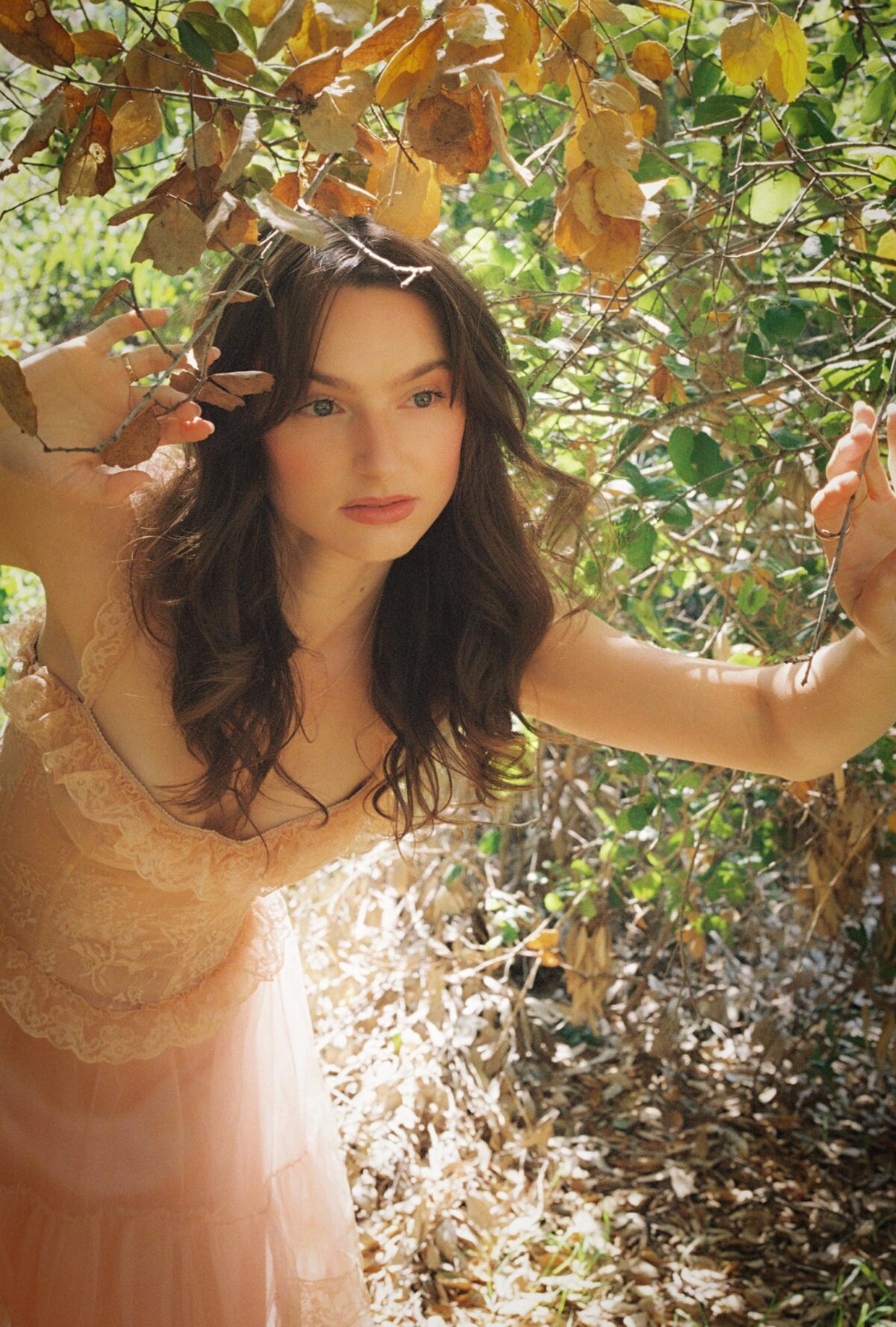
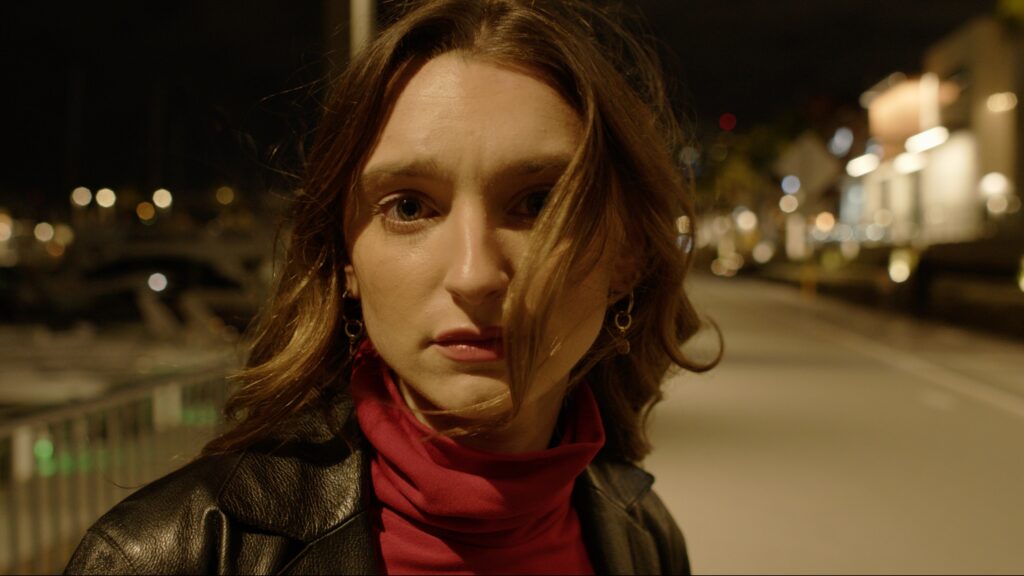
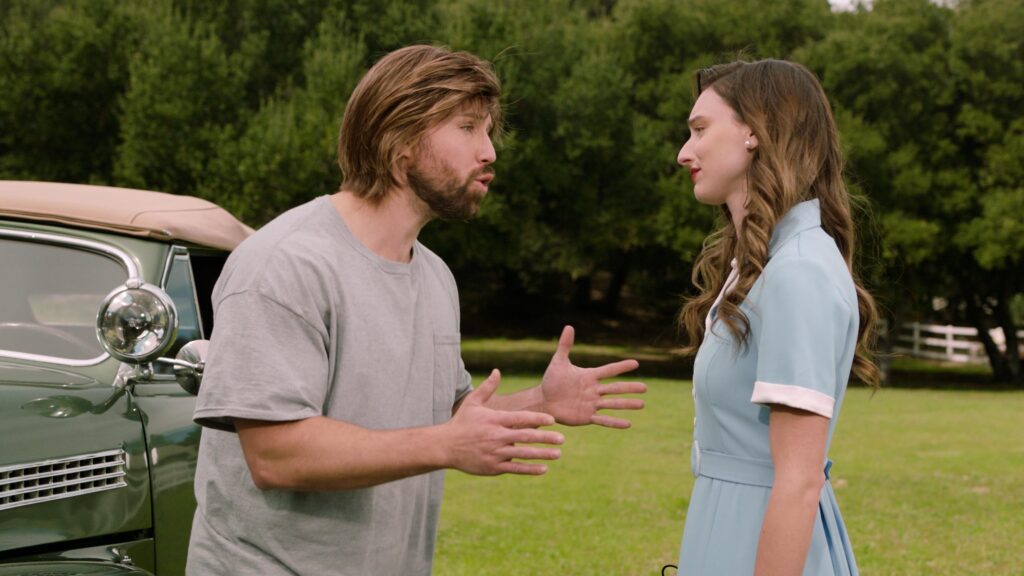
There’s something unmistakably magnetic about Sophia Delucchi – a presence that feels both grounded and luminous, like she’s fully aware of the moment she’s in, yet already reaching toward what’s next.
When we connect, she’s warm, thoughtful, and effortlessly engaging – the kind of person who makes conversation feel less like an interview and more like catching up with someone you’ve known for years. But beneath that ease is a performer deeply committed to her craft, one who doesn’t just step into characters – she dissolves into them.
In the ever-evolving world of vertical storytelling, Sophia is not only finding her footing—she’s helping define what’s possible.
From Stage to the Screen
Long before vertical dramas, Sophia’s foundation was rooted in performance – specifically, musical theater.
Raised in Northern California’s East Bay, she eventually made her way to Los Angeles to study at AMDA College of the Performing Arts, splitting time between LA and New York. Like many performers, her original trajectory pointed toward Broadway.
But timing had other plans.
“I always thought I would end up in New York doing Broadway,” she says. “And then the pandemic happened.”
What could have been a derailment became a pivot.
“It gave me time to slow down – time I never would have allowed myself otherwise. And that’s when I started exploring TV and film.”
That exploration would eventually lead her into the vertical space – an industry still defining itself, but one she’s already helping shape.
The Vertical Evolution: From Formula to Freedom
Sophia entered vertical storytelling at a time when the format was still heavily templated – predictable tropes, repeated character archetypes, and limited creative deviation.
“It was very cookie-cutter for a while,” she explains. “CEO billionaires, single moms, very similar storylines.”
But now?
“It’s such a treat when something pushes the envelope.”
And that shift isn’t accidental.
Sophia is quick to point out that vertical storytelling is uniquely responsive to its audience.
“This space is different because the audience has a voice. They’re asking for stronger female arcs, different stories – and we’re starting to see that.”
That responsiveness is fueling a creative evolution – one she’s genuinely excited about.
I’ve had scripts come through recently that really impressed me. I’m hopeful. I think we’re heading in a really good direction.
“Once I step into character, Sophia is gone.”
Chemistry, Connection, and the Art of Becoming Someone Else
If there’s one thing Sophia clearly thrives on, it’s connection.
Not just with audiences – but with her scene partners, often under intense, accelerated conditions.
“You meet someone 20 minutes ago in hair and makeup,” she says, laughing. “And your first scene is professing your love.”
It’s a dynamic that would rattle most people – but for Sophia, it’s where the magic happens.
“I love creating chemistry. I really love it.”
That ability stems from her training – but also from something more instinctive.
“Once I step into the character, Sophia is gone.”
And in that disappearance, something powerful emerges.
“It’s like being an escape artist. You step into another world – and for that moment, it’s completely real.”
The Emotional Cost of High-Speed Storytelling
Vertical productions move fast. Extremely fast.
Scenes jump from heartbreak to romance to chaos – sometimes within the same hour.
“One minute you’re filming a kidnapping, the next you’re on a romantic date, and then your dad dies,” she says. “It’s a lot.”
And while the stories are fictional, the emotional toll is very real.
“Your nervous system doesn’t know it’s fake,” she explains. “You go home exhausted, and you have to remind yourself – ‘That wasn’t real. You’re okay.’”
It’s a level of emotional immersion that requires both discipline and recovery – especially when projects stack back-to-back.
“I did four in a row once. No breaks,” she says. “And I hit burnout. It’s something we have to be really mindful of.”
“It’s like being an escape artist – you step into another world, and it’s completely real.”
Building a Character: Music, Memory, and Mannerisms
Sophia’s process is as intentional as it is intuitive.
Every character begins the same way:
A visual collage
A curated playlist
“I build a full playlist for every character,” she says. “It’s my lifeline.”
Music becomes the emotional anchor – helping her transition instantly between scenes, tones, and states of mind.
“It helps me lock into the moment.”
She also draws inspiration from real life – subtle behaviors, gestures, and habits.
“We used to study people in school,” she explains. “And now I pull those mannerisms into characters.”
It’s how authenticity is built – not through imitation, but observation.
“The audience has a voice in this space – and they’re asking for better stories.”
Improvisation, Freedom, and Finding Joy on Set
While many actors rely heavily on structure, Sophia thrives in spontaneity.
“I love improvising,” she says. “That’s when you’re really living as the character.”
Some of her most memorable moments weren’t scripted at all.
“There are lines people respond to – and I’m like… that was just me.”
That creative freedom was especially present in one of her more comedic projects:
“My Boss Thinks I’m a Boy,” a wildly different tone from her more dramatic work.
“I put that wig on and just lived,” she laughs. “It was so much fun.”
“AI can’t live and breathe in a character. That’s what makes this work human.”
The Reality of AI – and Protecting What’s Human
As vertical content grows, so does concern around AI-generated performances.
Sophia doesn’t shy away from the conversation.
“It’s tricky,” she says. “We’re all trying to figure out how to protect ourselves and our likeness.”
What concerns her most isn’t just the technology – but what it replaces.
“What I love about this space is the community,” she explains. “The connection between creators and audiences.”
And that’s something AI simply can’t replicate.
“It can’t live and breathe in a character.”
Who She Wants to Work With Next
When asked who’s on her dream collaboration list, Sophia lights up.
“I’d love to work with more of the girls,” she says. “We need more female-driven stories.”
But on the opposite side?
“I’m waiting for the day I get to work with Noah Fearnley – I’d love a rom-com with him. And I’d love a drama with Eric Guilmette.”
It’s not just about working – it’s about creating something meaningful.
“Our paths will cross. I know they will.”
Why It All Matters
At its core, Sophia understands something fundamental about storytelling:
People don’t just watch content – they feel it.
“I want to create something people can turn to – on a good day or a bad day – that makes them feel something.”
And in a world that’s increasingly fast, fragmented, and artificial – that kind of connection matters more than ever.
Final Thoughts
Sophia Delucchi isn’t just part of the vertical wave – she’s part of its evolution.
She brings discipline from the stage, adaptability from the screen, and a deeply human approach to every role she takes on.
Whether she’s navigating high-stakes drama, embracing comedic chaos, or building characters through music and memory – one thing is clear:
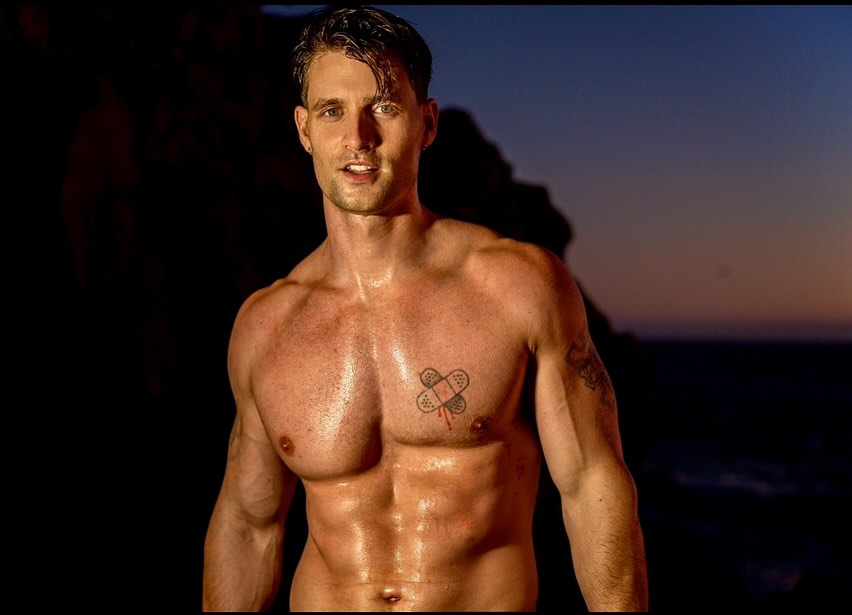
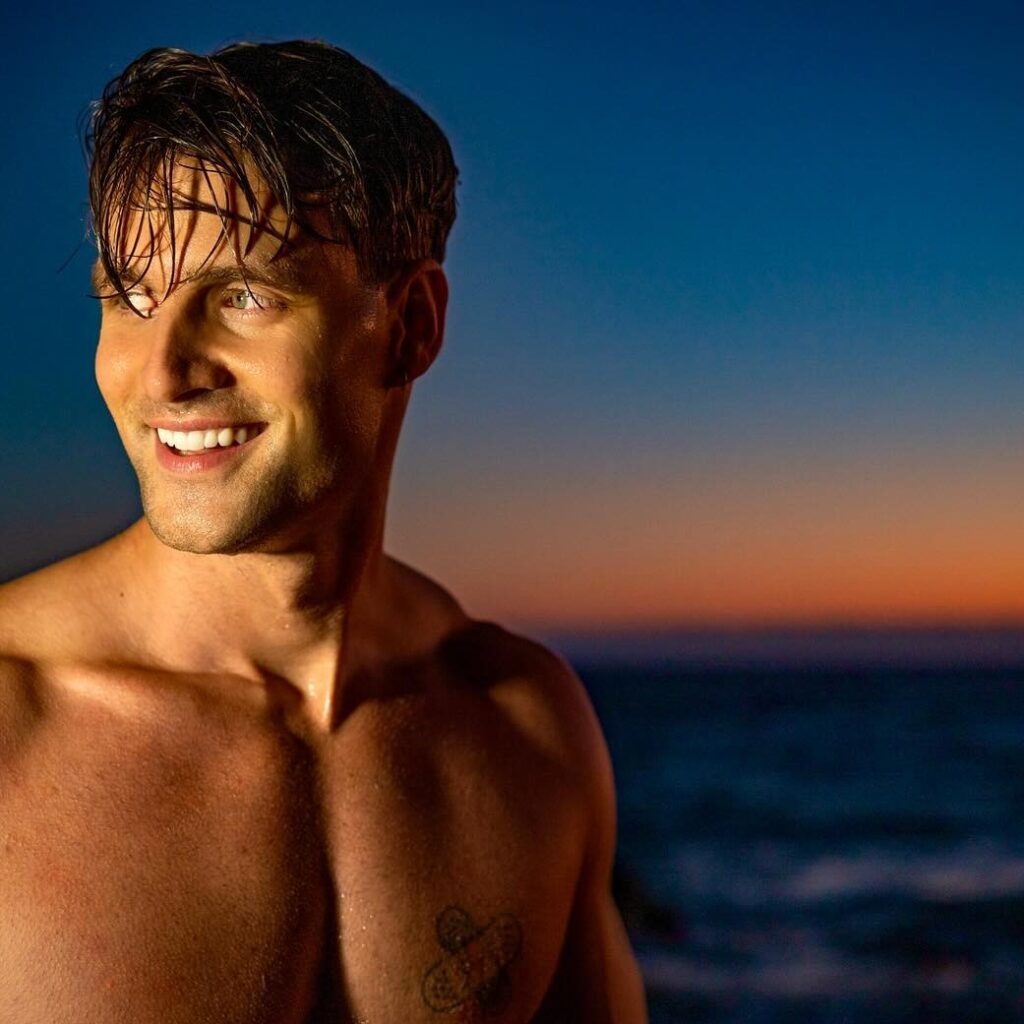
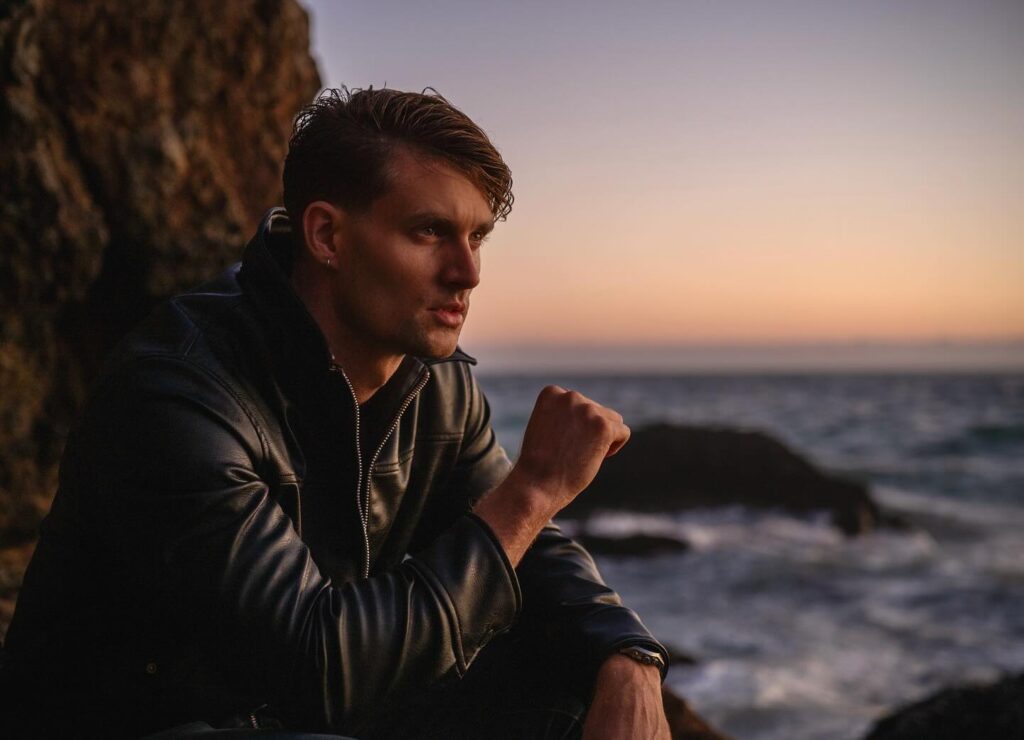
There’s a certain kind of honesty that doesn’t feel rehearsed – and Shayne Davis carries it effortlessly. It’s not performative humility or curated vulnerability. It’s something sharper, more lived-in. The kind that only comes from experience – real experience. The kind that reshapes a person from the inside out.
When we sit down to talk, the conversation moves quickly past surface-level industry talk and into something far more revealing: identity, addiction, ego, discipline, and the rapidly evolving world of vertical storytelling.
Because for Shayne, this isn’t just about acting. It’s about becoming.
Finding His Way Into a New Medium
Like many actors navigating today’s fragmented entertainment landscape, Shayne didn’t enter the vertical space with full clarity – or even confidence.
“I didn’t know what verticals were,” he admits. “I didn’t know who was watching them. I kept it a secret at first.”
There’s a candid humor in how he recalls those early days – working on projects with titles that felt more absurd than aspirational. But beneath that hesitation was something more universal: the fear of being misunderstood in an industry that constantly shifts its definition of legitimacy.
What changed?
Two things.
First, perspective.
“It became obvious to me that this space is the future of entertainment,” he says. “More money, more eyeballs – it’s only growing.”
And second, connection.
Meeting fans—whether online, at events, or unexpectedly in public—reframed everything.
“At first I was like, who am I doing this for? Then I met them. And I realized—this is for people. Real people.”
“It became obvious to me that this space is the future of entertainment,” he says. “More money, more eyeballs – it’s only growing.”
From Shame to Ownership
“There was a point when I was shame-struck,” Shayne says. “Not starstruck – shame-struck.”
It’s a rare admission – and one that marks a clear turning point.
Instead of distancing himself from the medium, he leaned in.
Now, he speaks about vertical storytelling not as a fallback, but as a legitimate, fast-growing lane – one that rewards both adaptability and authenticity.
The Craft: Learning the Room – and Who You Want in It
“They showed me the ropes,” he says. “I didn’t even realize they were vets at first.”
But what continues to drive him isn’t just experience—it’s collaboration. The opportunity to step into scenes with actors who challenge, surprise, and elevate the moment.
And when asked who he’d most like to work with next in the vertical space, Shayne doesn’t hesitate.
At the top of his list is Kirby [Ellwood] an actress he respects deeply for her craft. “She’s just really good,” he says simply, without over-explaining it. It’s the kind of respect that doesn’t need embellishment.
He also points to Hannah Lowery, someone he’s already shared screen time with, but in a limited capacity. “We did a short piece together,” he explains, “but I’d want to do something where we’re really leading together.”
On the male side, the motivations shift slightly – from admiration to chemistry and familiarity.
“Sam Morgan,” he says, is a must. “He’s the one who got me into the space.”
There’s history there. Trust. The kind of dynamic that translates naturally on screen.
And then there’s Jeff Violette – someone Shayne describes as both talented and effortlessly entertaining.
“He’s funny. He’s just cool,” Shayne says. “I know it would be a good time on set.”
What ties all of these choices together isn’t status – it’s energy.
“I want to see how people move,” he explains. “How they interpret characters. Everybody’s got their own style.”
For Shayne, the ideal collaboration isn’t just about performance – it’s about discovery. The subtle push and pull between actors that turns a scene into something alive.
Reality TV vs. Acting: Control vs. Exposure
Shayne’s time in reality television adds a layer of perspective that many actors avoid discussing openly. (He was in the most recent season of Vanderpump Rules).
“The biggest difference? Control,” he explains. “In acting, the edit is designed to make you look like a superhero. In reality TV, that’s not the goal.”
But what viewers see isn’t fake – it’s filtered.
“It’s all real,” he says. “But people wear psychological masks.”
For Shayne, that mask initially looked like the “party version” of himself—until it became unsustainable.
“I couldn’t hold it anymore,” he says. “And that’s when I started becoming more myself.”
“It’s not just about showing up anymore,” he says. “It’s abut how you show up.”
Discipline, Sobriety, and the Work Beneath the Work
Before sobriety, discipline existed – but in fragments.
“I was still showing up,” he says. “Just not at my highest level.”
Now, discipline is layered into everything:
Daily reading
Prayer and meditation
Being of service to others
Emotional accountability
“It’s not just about showing up anymore,” he says. “It’s about how you show up.”
His perspective on addiction is equally grounded.
“There’s no substance that’s impossible to get addicted to,” he explains. “Some people are fine. Some people aren’t.”
And then, the line that lingers:
“Some things won’t destroy your life – but they’ll stop you from becoming what you could be.”
Ego, Humility, and the Illusion of Status
“I thought I was the shit when I was at my lowest,” Shayne says.
It’s a statement that reframes everything.
Because for him, real growth didn’t come with success – it came after it.
“My ego wants the Ferrari moment,” he admits. “But what’s actually powerful is humility.”
In an industry that often rewards perception over substance, that distinction matters.
Music, Influence, and Creative Energy
Music plays a constant role in Shayne’s life – especially Southern hip-hop.
Artists like Lil Boosie, Kevin Gates, and Three 6 Mafia dominate his rotation, alongside legends like Eminem and staples of the Houston rap scene.
But when it comes to creative work – especially screenwriting – his taste shifts.
“I’ll throw on something like the Nightmare on Elm Street soundtrack,” he says. “That’s how I get into the zone.”
It’s not about lyrics – it’s about atmosphere.
“I’m being selective,” he says. “It’s a long-term play.”
What Comes Next
Shayne’s ambitions extend far beyond verticals – into film, screenwriting, and long-form storytelling.
But he’s intentional about how he gets there.
“I’m being selective,” he says. “It’s a long-term play.”
Because he understands something many don’t:
Not every opportunity is aligned with the life you’re trying to build.
The Bigger Picture
“I want to leave no stone unturned,” Shayne says.
And he means it.
Not recklessly. Not impulsively.
But with intention.
With awareness.
With the kind of discipline that comes from having already lived through the extremes.
In a space that often prioritizes visibility over depth, Shayne Davis is building something different.