
Navigating the Shift to Vertical Media
In the rapidly shifting landscape of modern media, few actors are navigating the transition to vertical storytelling with the clarity and commitment that Kasey Esser brings. Coming from a background in short films and theater, Kasey has carved out a significant presence in the vertical space, content designed for vertical scrolling on platforms like TikTok and ReelShort. In a recent conversation, he opened up about the unique demands and opportunities of this format, the influence of audience feedback, and his ambitions to bridge vertical success into mainstream features and television.
Fusing Theater and Television Techniques
Kasey describes the vertical medium as a natural fusion of the worlds he already knows. “It really feels like a unique blend of theater and television,” he says. Theater honed his ability to stay present and authentic in the moment, while television taught him the discipline of quick setups, precise marks, and fast coverage. Vertical content demands both the raw, immediate connection of live performance and the rhythmic efficiency of TV production. The biggest adjustment, he explains, has been embracing the intimacy of the vertical frame. “You have to unlearn some traditional habits, like over-relying on wide shots or long takes, and lean into subtlety and realism. The audience is right there, up close on their phones.”
Challenging the Stigma of Vertical Content
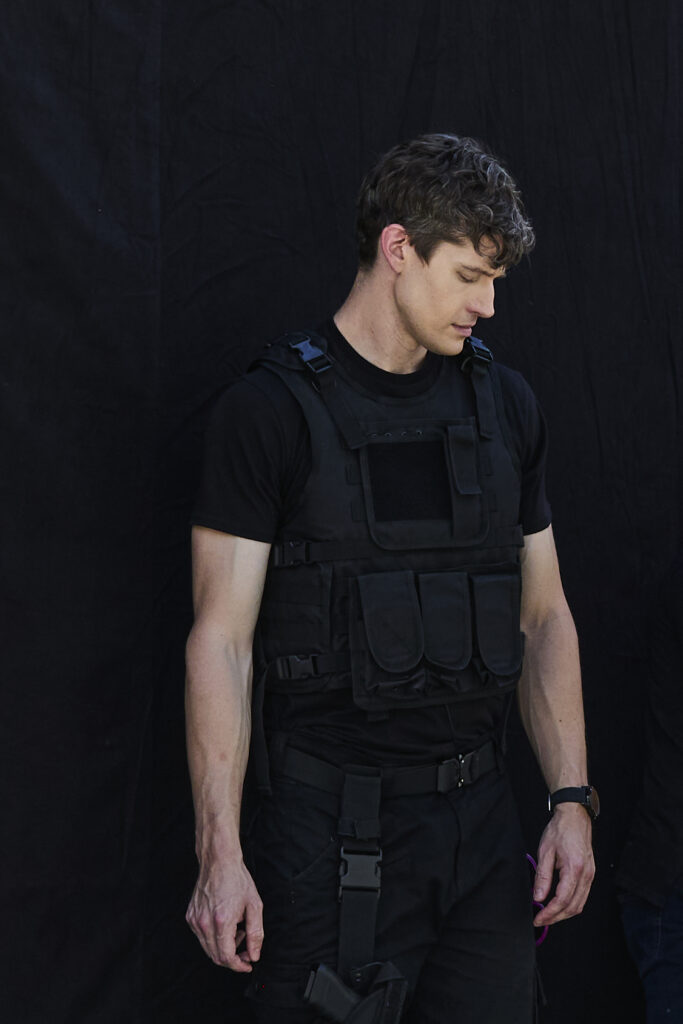
This intimacy is part of what makes vertical storytelling so compelling, and Kasey is quick to push back against the lingering stigma that dismisses it as “just TikTok stuff.” He notes that the format aligns with how people already consume media, scrolling through short, engaging clips that fit seamlessly into daily life. “It’s not ‘less than’ traditional media; it’s just different,” he insists. His recent action short, Love Under Fire, shot last fall and now being shopped this spring, is a prime example of high-quality vertical storytelling that defies easy categorization. “The response has been incredible because it’s strong storytelling that happens to be vertical. Denigrating the space ignores the talent and the audience that’s already there.”
The Impact of Real-Time Audience Feedback
One of the most striking aspects of vertical platforms is the direct line they give creators to their audience. Feedback arrives in real time, comments, likes, shares, and requests for sequels, and Kasey says this has profoundly shaped his work. He recalls a project where a non-traditional ending drew strong reactions from fans, teaching him how much viewers invest emotionally. “It made me realize how much they want comfort and satisfaction,” he reflects. As a result, he now steers clear of toxic characters and prioritizes nuanced, relatable roles that build loyalty. He’s even begun experimenting with the idea of a “multiverse” of character crossovers, revisiting familiar faces across stories in the way Marvel does for fan service. “It creates this ongoing dialogue between the traditional and vertical worlds,” he says, “and the support from fans has been amazing.”
The Intensity of Vertical Production
The production realities of vertical content are intense. Schedules are demanding, often involving long hours and limited prep time. Yet Kasey emphasizes that the pressure is no excuse for phoning it in. “Audience members notice instantly,” he says. “You prep hard, show up focused, and treat every take like it’s the only one.” Strong scripts and compelling stories are essential; without them, maintaining engagement becomes nearly impossible. He recalls rare but powerful moments on set in Atlanta, where everything aligned, the scene partner, the lighting, the energy, and he felt literal goosebumps. “Those are the moments that remind me why I love this work,” he says. “It’s therapeutic, too; focusing on the other person in the scene takes you out of your head.”
Drawing Parallels from Fitness and Producing
That therapeutic quality echoes through other parts of his life, including his background in fitness. Kasey draws a direct parallel: training a client is about focusing entirely on their form and goals, just as acting requires complete presence with a scene partner. In turn, producing extends that mindset, ensuring everyone has the support they need to deliver their best. This year, he plans to shift more heavily toward producing and acting, creating high-quality roles and content that showcase authentic performances. Collaborations, like his ongoing work with Vanessa, have been particularly fruitful. “We have great chemistry on screen,” he notes, “and we’re planning more projects together.”
Bridging Vertical Success to Mainstream Opportunities
Looking ahead, Kasey sees vertical success as a launchpad rather than a silo. The audience he’s built from the ground up gives him a unique advantage when approaching mainstream opportunities. “Traditional media is adapting to vertical, short-form content that is everywhere now, so the transition feels natural,” he says. His goal is to produce compelling roles that highlight his range, then leverage that foundation to open doors in features and TV. “I’m excited for the next year,” he adds. “There’s real potential to make that jump while staying true to the grounded, resonant work that got me here.”
A Roadmap for the Future of Storytelling
Ultimately, Kasey views vertical storytelling not as a stepping stone but as a legitimate home for powerful narratives. “It’s about strong stories and pushing yourself,” he concludes. “Don’t underestimate the audience, they’re smart, engaged, and loyal when you respect them. The space rewards commitment, nuance, and authenticity. Keep creating, keep listening to feedback, and treat every project like it matters, because it does.” As vertical content continues to evolve and gain mainstream recognition, voices like Kasey Esser’s offer a clear roadmap: respect the medium, honor the audience, and let the storytelling speak for itself. The future of entertainment may well be vertical, and Kasey is already ahead of the curve.
Connect socially with Kasey on Instagram and TikTok
Related posts: Tess Dinerstein on Vertical Films, Chemistry On-Screen, and Speaking Up for Herself
A Candid Encounter: Haley Lohrli on the Whirlwind of Micro-Dramas, Personal Reinvention, and the Art of Authenticity