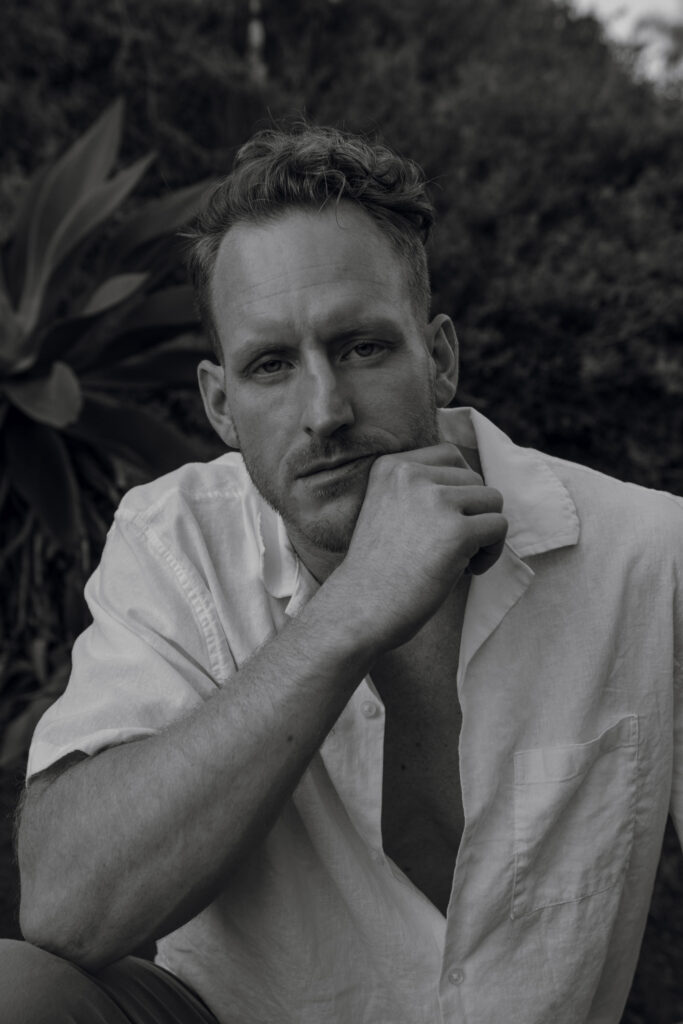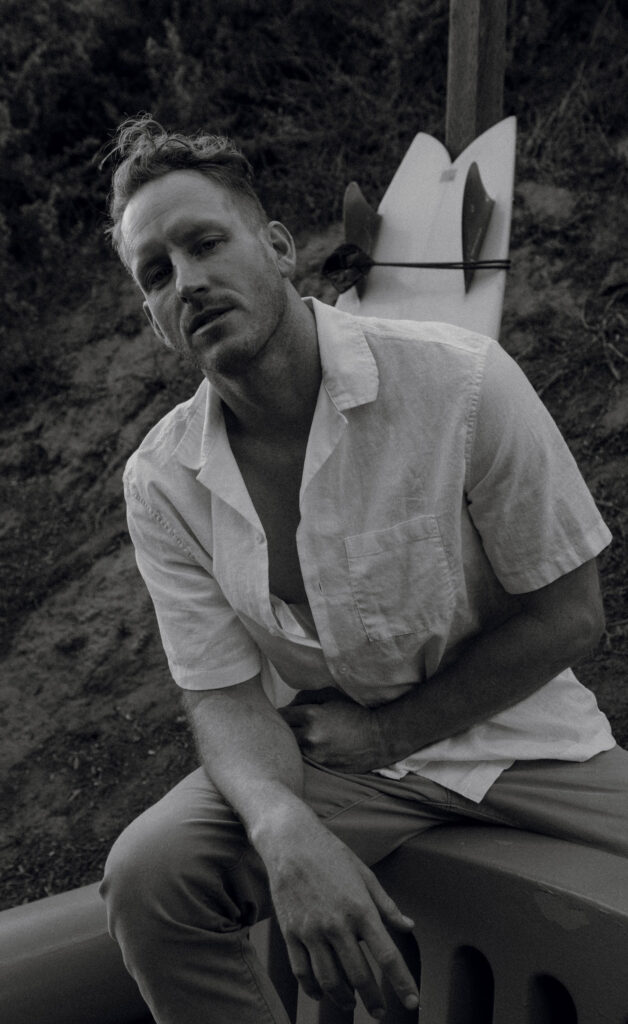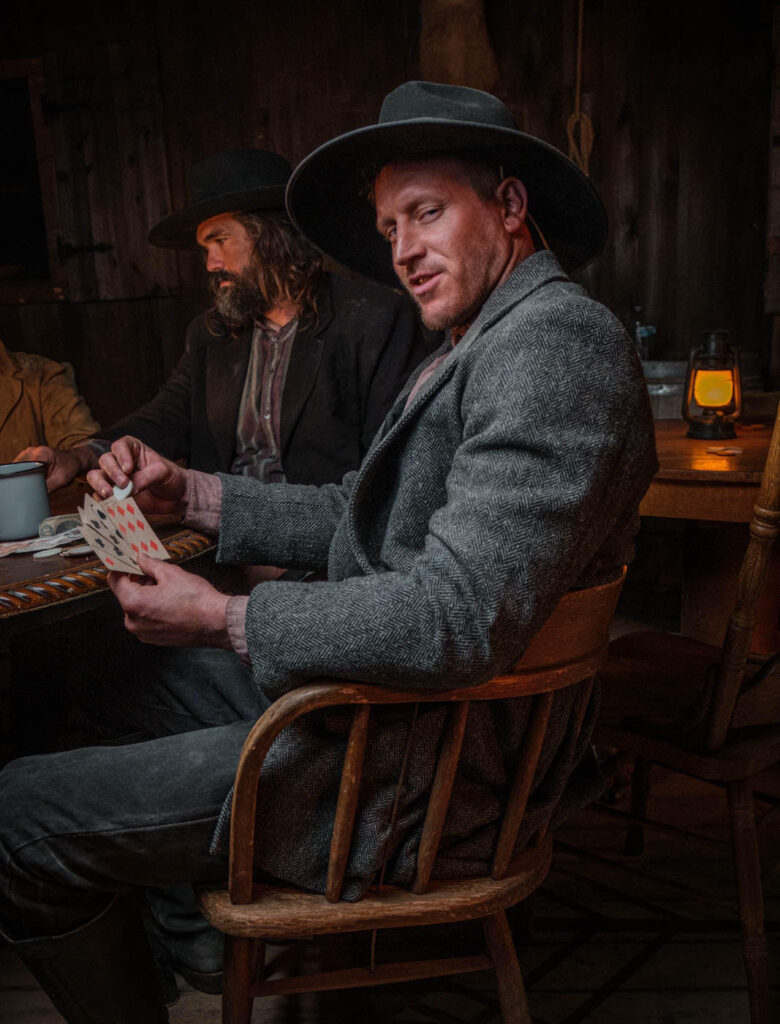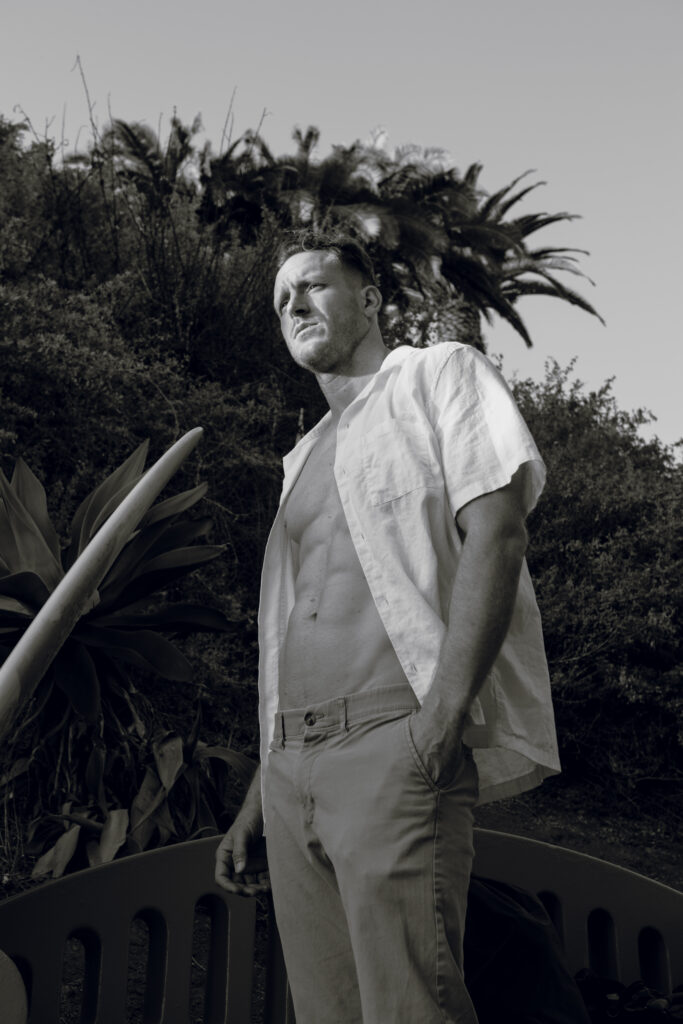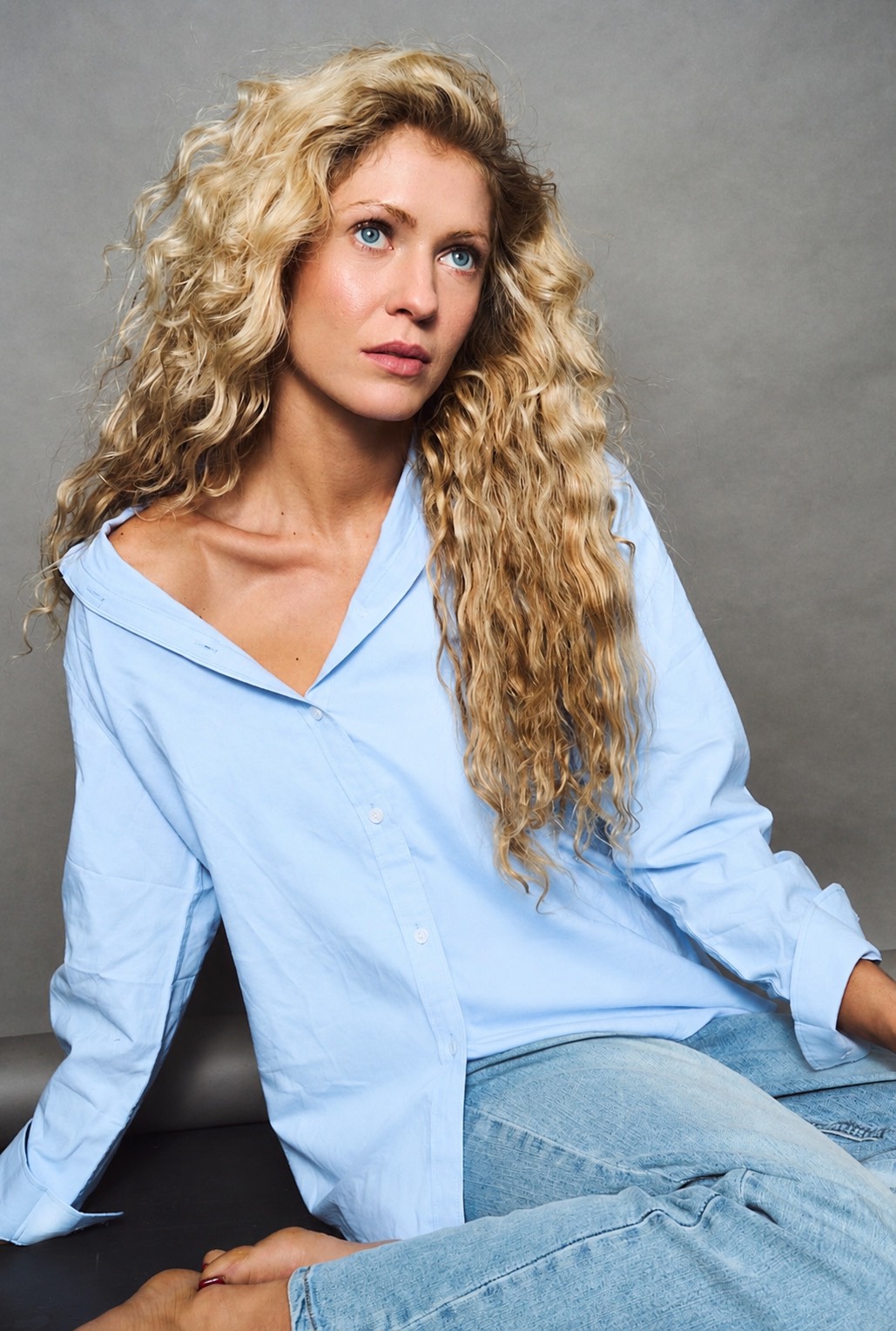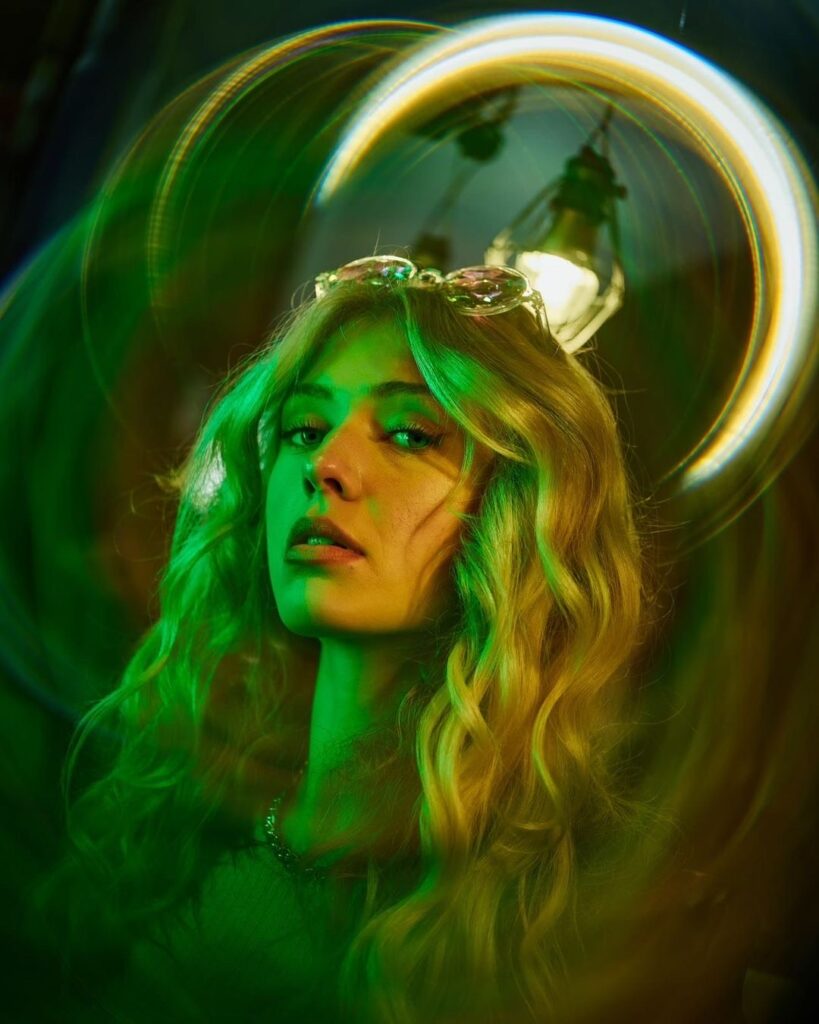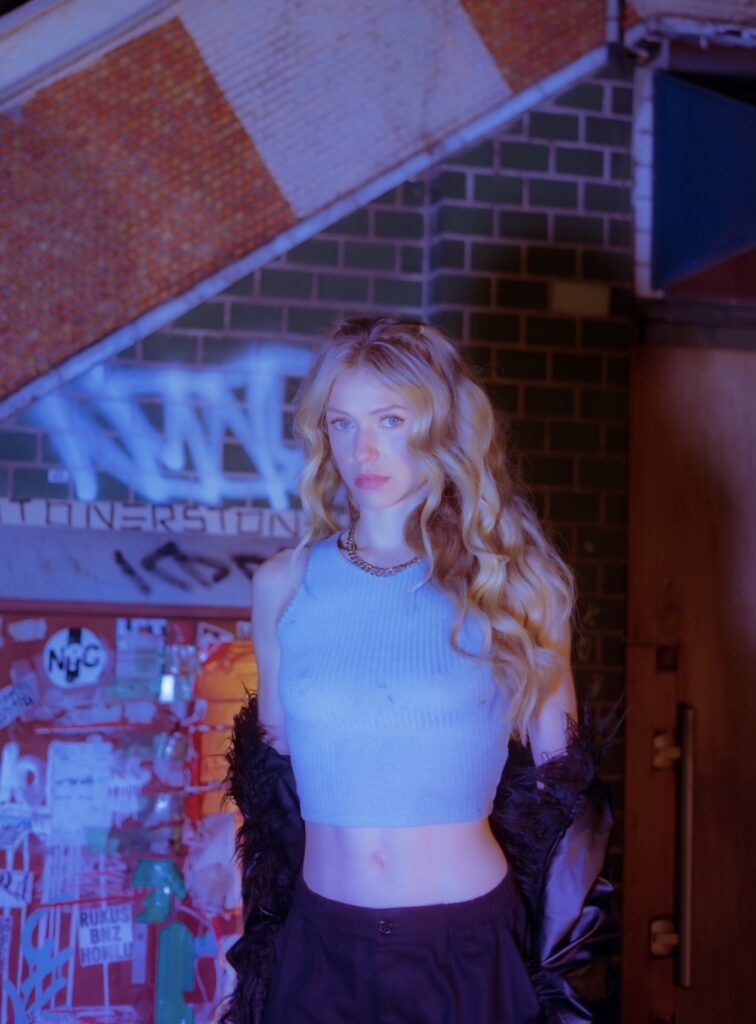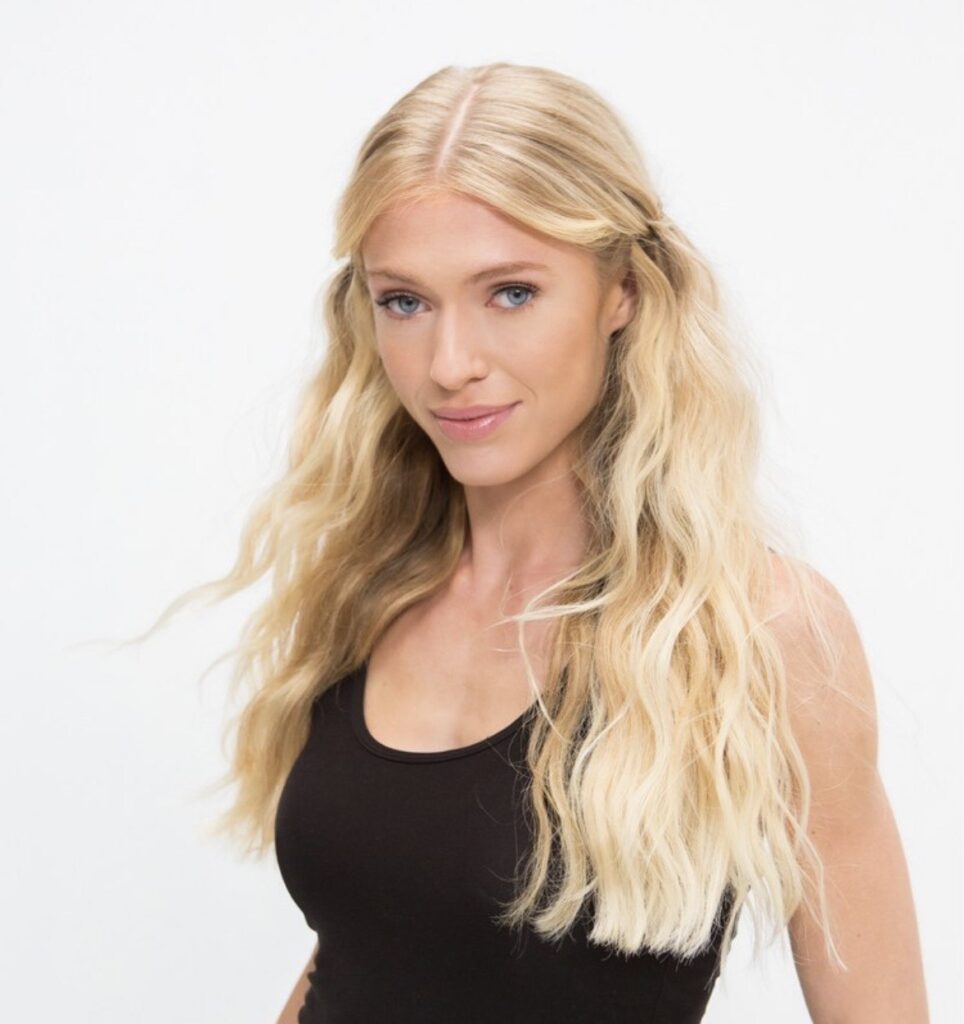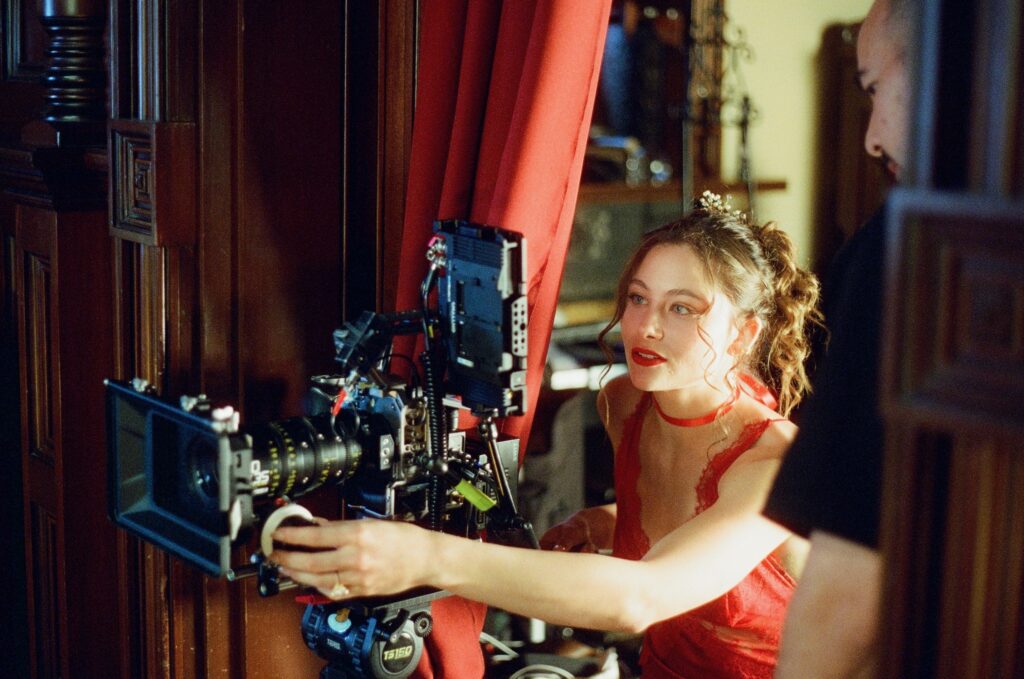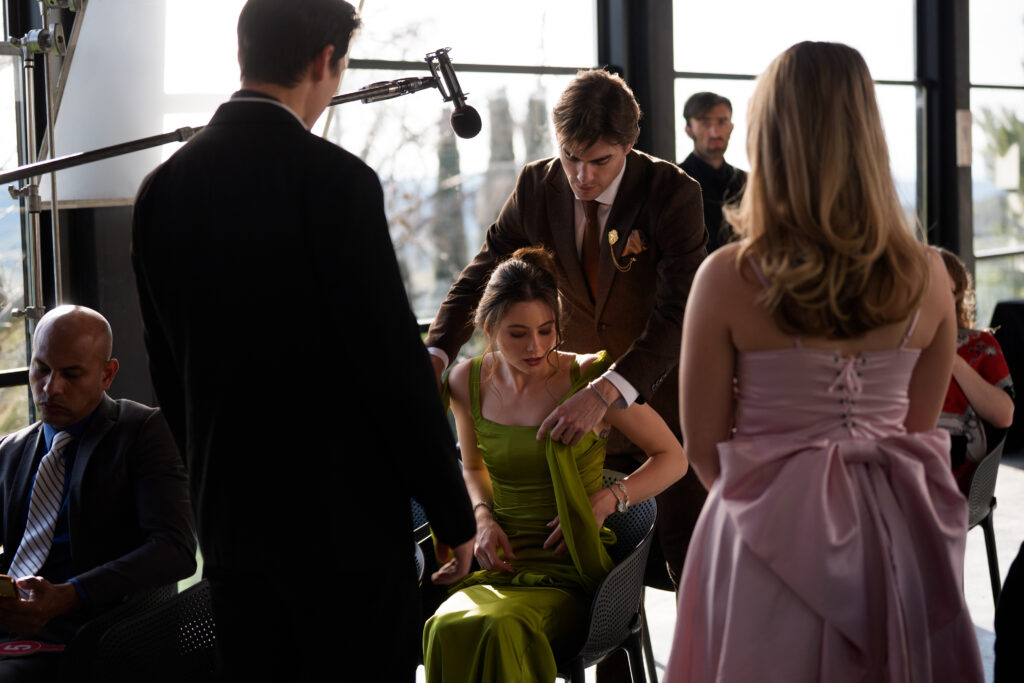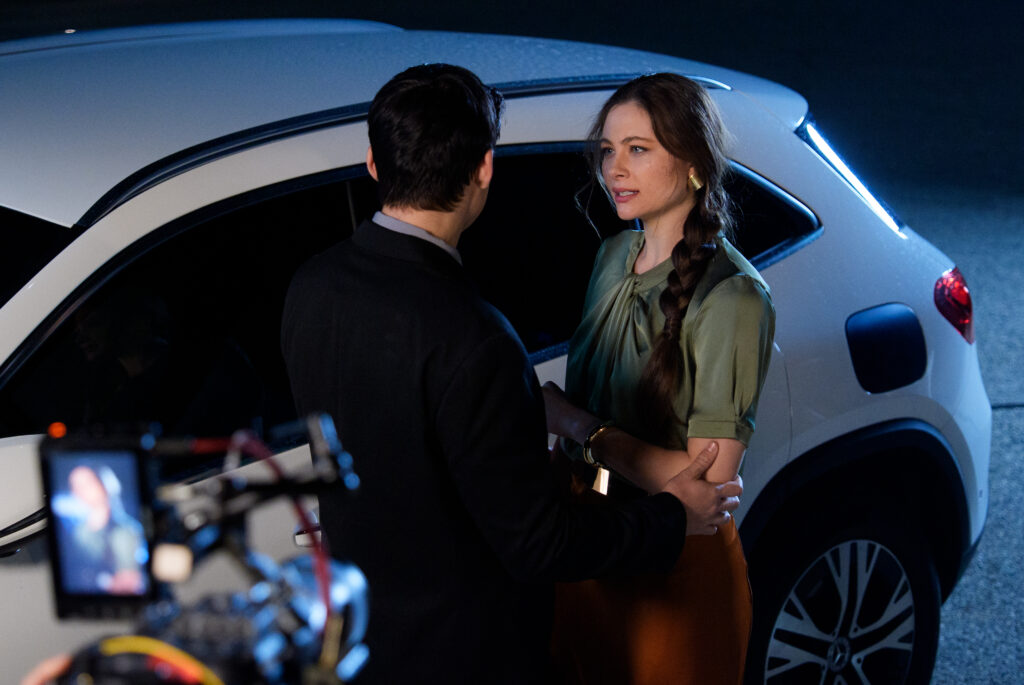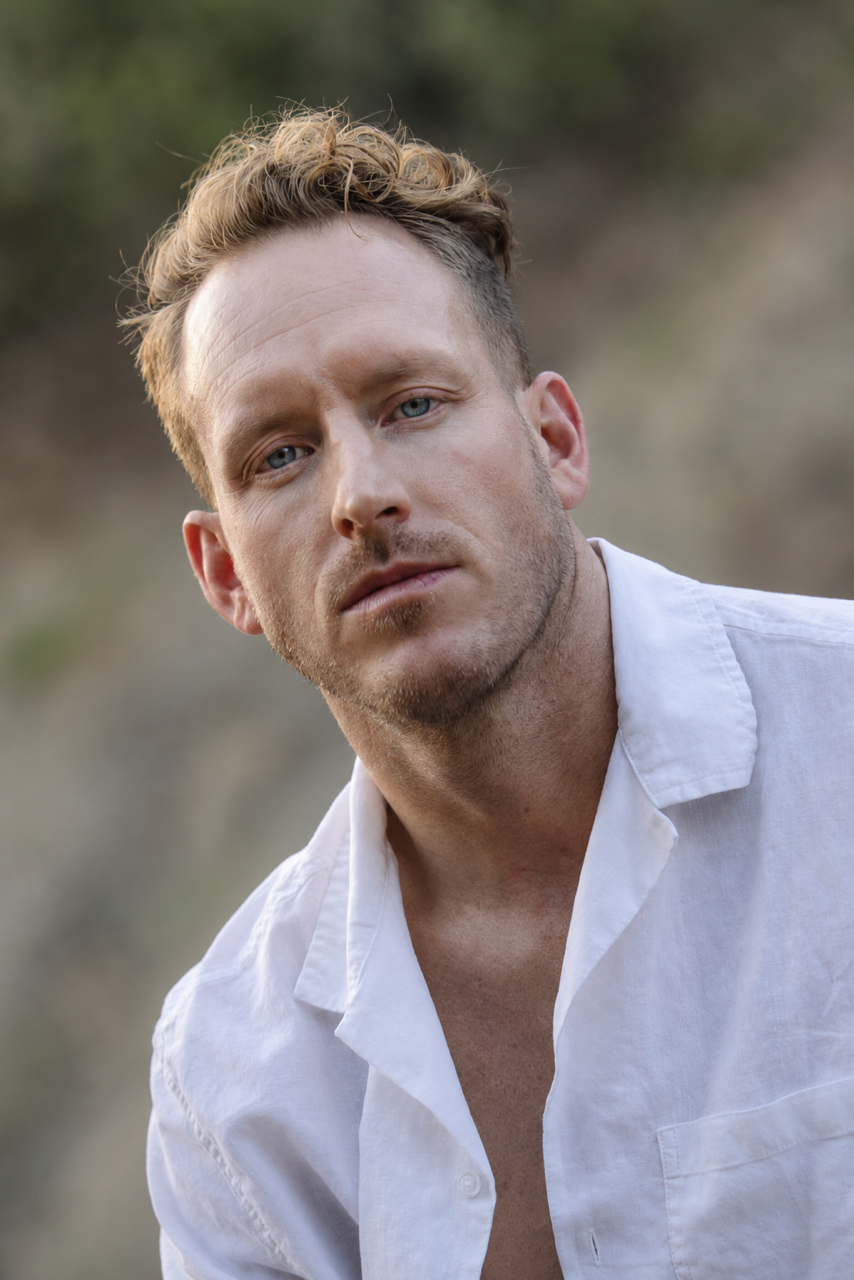
There’s a new kind of momentum building inside vertical storytelling—faster, bolder, and increasingly shaped by actors who refuse to play it safe. At the center of that shift is Gabrielle Faith Brown, an actress whose path into the space isn’t polished or predictable—but earned, lived-in, and deeply personal.
Within minutes of speaking with her, it becomes clear: Gabrielle isn’t here to chase visibility—she’s here to build something real. Her approach to acting is rooted in instinct, emotional honesty, and a refusal to compromise authenticity for attention.
And in an industry driven by speed and spectacle, that kind of grounded presence doesn’t just stand out – it recalibrates the entire frame.
From Pennsylvania Roots to Reinvention
Before vertical dramas, before Los Angeles, before rediscovering acting – Gabrielle’s story begins in a place far quieter.
Raised between Pennsylvania and the South, her early years were shaped less by screens and more by experience. Childhood meant being outside, creating imaginary worlds, and living stories rather than watching them.
“I didn’t grow up glued to movies,” she explains. “A lot of my creativity came from just living—being outside, making things up, feeling everything.”
Her entry into the industry came early, through modeling. By the time she was seven or eight, she was traveling to New York City for print work and commercial shoots – what she jokingly calls “educational field trips.”
But like many who start young, she eventually stepped away.
“I think when you do something your whole life, you naturally want to explore other parts of yourself,” she says.
That instinct – to pivot, to evolve – would define everything that came next.
“I’m not here to just say the lines – I want to understand why they exist.”
The Break That Nearly Broke Everything
At 18, Gabrielle made the leap many dream about: moving to Los Angeles.
But instead of opportunity, she found something darker.
“It wasn’t a good time for me,” she says candidly. “I got wrapped up in parts of the industry that weren’t healthy. I lost everything I had saved. It was the biggest lesson of my life.”
The experience didn’t just shake her – it pushed her away from the industry entirely.
She returned to college. Built a different life. Even got married.
For a moment, it seemed like acting might be behind her.
But life had other plans.
Verticals: The Unexpected Second Act
Gabrielle didn’t seek out vertical storytelling – it found her.
“I didn’t even know what a vertical was when I auditioned,” she admits. “I just needed a way to make money and thought, ‘Why not try acting again?’”
That decision changed everything.
Within a year, she had become a recognizable face in the space – working across multiple projects, building a loyal audience, and discovering something she hadn’t felt before:
Belonging.
“This community is incredible,” she says. “It’s collaborative, it’s supportive, and it gave me a way back into something I thought I had lost.”
“We’re creating something that looks real – but behind the scenes, it’s teamwork, trust, and a lot of laughter.”
The Reality Behind the Fantasy
To audiences, vertical dramas are intense, emotional, and often hyper-romantic.
Behind the scenes? It’s something entirely different.
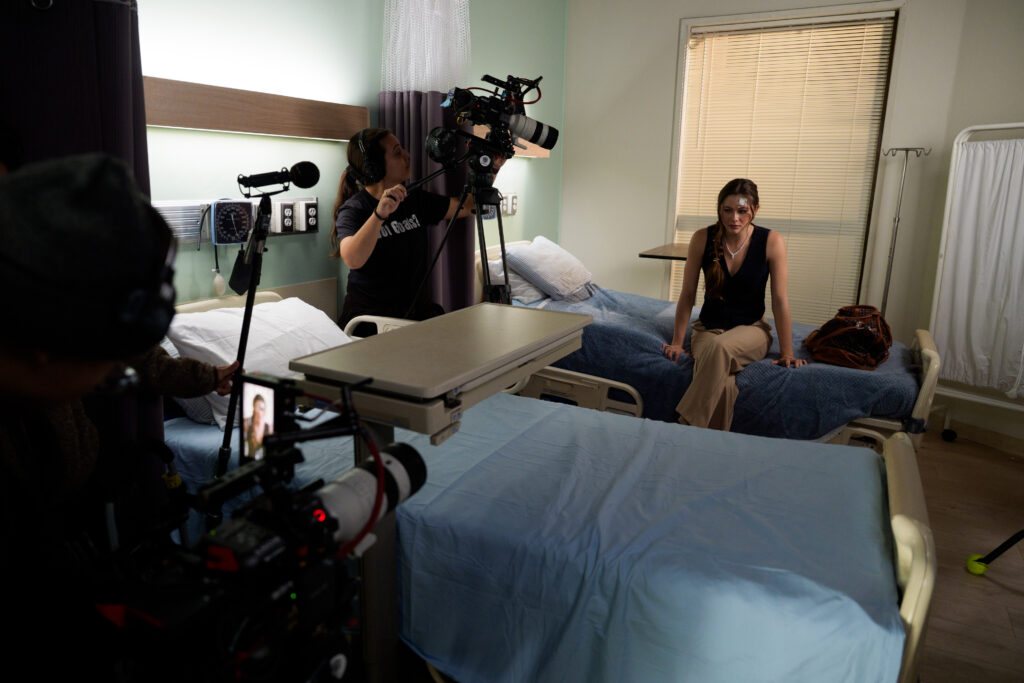
“It’s honestly hilarious sometimes,” Gabrielle laughs. “You’ll have ten people crammed into a tiny space trying to film something that’s supposed to look incredibly intimate – and it’s the least sexy thing ever.”
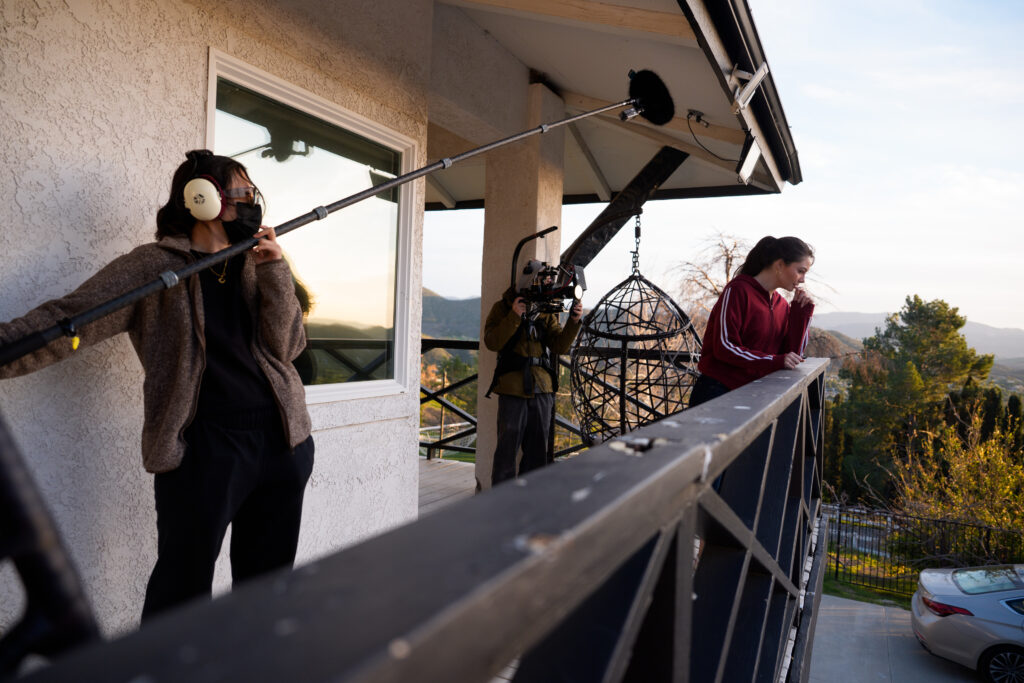
She’s intentional about showing that reality through behind-the-scenes content, breaking the illusion just enough to humanize it.
“People think actors must be dating because the chemistry looks real,” she says. “But it’s just good acting. As soon as they call cut, we’re laughing.”
That balance – between illusion and honesty – is something she values deeply.
Drawing the Line: Boundaries in a High-Demand Industry
If there’s one thing Gabrielle is unwavering about, it’s boundaries.
And in an industry increasingly driven by clicks, virality, and escalation – that’s not always easy.
“There are moments where scripts push things too far,” she explains. “And you have to ask: Why is this here? What does this add?”
She recalls pushing back on scenes that felt unnecessarily extreme or misaligned with her values – especially when it came to intimacy, consent, and outdated tropes.
“I don’t want to do anything that feels unjustified,” she says. “And I don’t want to contribute to narratives that don’t respect people.”
That clarity has become part of her identity – not just as an actress, but as a creative.
“If it doesn’t feel honest, I won’t do it. That’s the boundary.”
The AI Line No One Should Cross
One of the most serious challenges Gabrielle has faced didn’t come from a script—but from post-production.
In one instance, her likeness was altered using AI without her consent.
“My face wasn’t my face. My body wasn’t my body,” she says. “It was subtle – but completely wrong.”
The production corrected it quickly after being confronted – but the experience left a lasting impact.
“That’s not okay,” she says firmly. “There’s a line. AI should never be used to manipulate someone’s identity or likeness without consent.”
It’s a topic she believes the industry – and audiences – need to understand more deeply.
“There’s a difference between using technology to enhance something and using it to replace or exploit something human.”
What She’s Really Looking For in a Scene Partner
When asked who she wants to work with next, Gabrielle doesn’t name names.
Instead, she defines something more important: energy.
“I love working with actors who are willing to play,” she says. “Who can improvise, collaborate, and make a scene feel alive – not just recite lines.”
For her, great acting isn’t about perfection – it’s about presence.
“It’s about making something feel real,” she adds. “Even in the most unrealistic situations.”
“AI should never replace a human being – or rewrite who they are.”
Beyond Verticals: What Comes Next
Despite her success in vertical storytelling, Gabrielle isn’t limiting herself.
“I’m open to everything – film, TV, documentaries, anything,” she says. “If it’s a great story, I want to be part of it.”
She’s also beginning to step into writing – something that feels like a natural extension of her experience.
“We’re living these stories every day,” she explains. “Why not help create better ones?”
It’s a shift that reflects a larger movement within the industry: actors reclaiming creative control.
The Stories That Shaped Her
Gabrielle’s inspirations are as emotionally grounded as her performances.
She lights up talking about The Phantom of the Opera, calling it a childhood staple that sparked her love for performance.
She references The Giver as a reminder of the importance of human emotion.
And then there’s Fight Club – a film that, for her, represents the power of storytelling and surprise.
“That was one of the first times I experienced a twist like that,” she says. “It completely changed how I saw storytelling.”
“I don’t want to just work – I want to create something that actually means something.”
A New Kind of Actress for a New Kind of Industry
Gabrielle Faith Brown isn’t trying to fit into the industry as it exists.
She’s part of a generation quietly reshaping it – demanding better scripts, clearer boundaries, and more meaningful storytelling.
And maybe most importantly?
She’s reminding people that behind every performance is a real human being.
“We’re here to create,” she says. “To connect. To feel.”
In an industry increasingly influenced by algorithms, automation, and artificial shortcuts—that perspective might be the most valuable thing of all.
“You can feel when something has a soul. That’s what audiences connect to.”
The Oscar and Grammy-winning artist launches his extensive “Still Gettin’ Away With It Tour” next Friday, with a CBS Mornings profile and “Saturday Sessions” performance set to air May 23.
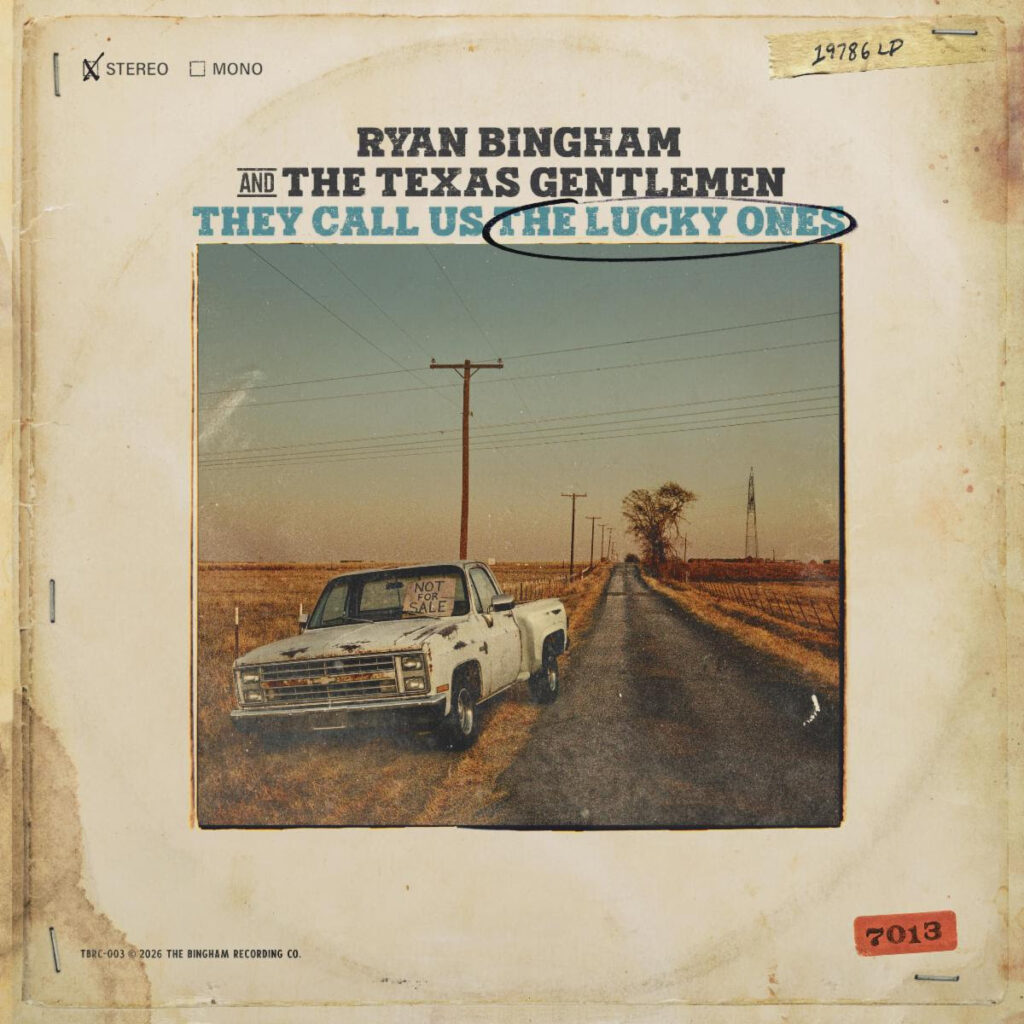
Oscar, Grammy, Golden Globe, and Critics’ Choice Award-winning singer-songwriter and actor Ryan Bingham has released his highly anticipated new album, They Call Us The Lucky Ones, with The Texas Gentlemen. The 10-track project marks Bingham’s first full-length album in more than seven years and captures the grit, soul, and road-worn storytelling that have defined his career.
Blending country, rock, blues, Americana, and cinematic songwriting, They Call Us The Lucky Ones reflects on life on the road, personal resilience, and a renewed sense of joy and hope. Bingham describes the recording process as one of the most fun experiences he has had making an album, noting that the band tracked much of the record live with minimal overdubs to preserve a loose, gritty, and authentic sound.
“This album was probably the most fun I’ve had making a record.”
The album has already earned praise from outlets including Rolling Stone, Forbes, Entertainment Focus, Whiskey Riff, Nashville.com, All Country News, and Americana Highways, with critics highlighting Bingham’s raw storytelling, genre-blending sound, and emotionally grounded performances.
In support of the release, Bingham is set to kick off his extensive “Still Gettin’ Away With It Tour”, with upcoming stops in Pittsburgh, Boston, New York, Philadelphia, Washington, D.C., Dallas, and more. The album is available across digital platforms, vinyl, CD, and cassette, including several exclusive vinyl variants.
Bingham, also known for his role as Walker on Yellowstone, continues to build a multifaceted career across music, film, television, and entrepreneurship. Alongside his acclaimed music catalog, he has launched his own record label, founded the Fort Worth-based festival and rodeo The Great Western, and introduced Bingham Spirits, beginning with Bingham’s Bourbon in 2024.
THEYCALL US THE LUCKY ONES TRACK LIST
1. The Lucky Ones 2. Let The Big Dog Eat 3. I Got A Feelin’ 4. Twist The Knife 5. Americana 6. Cocaine Charlie 7. Blue Skies 8. Relevance 9. Ballad of The Texas Gentlemen 10. I’m A Goin’ Nowhere
RYAN BINGHAM & THE TEXAS GENTLEMEN CONFIRMED TOUR DATES
May 22 – Stage AE – Pittsburgh, PA May 23 – KEMBA Live! – Columbus, OH May 24 – The Agora – Columbus, OH May 26 – Taft Theatre – Cincinnati, OH May 27 – Royal Oak Music Theatre – Royal Oak, MI May 29 – Artpark Mainstage Theater – Buffalo, NY May 30 – Ulster Performing Arts Center – Kingston,NY June 1 – Summer Stage at Tree House Brewing Company – South Deerfield, MA June 2 – State Theatre – Portland, ME June 3 – Roadrunner – Boston, MA June 5 – The Capitol Theatre – Port Chester, NY June 6 – Toad’s Place – New Haven, CT June 7 – The Wellmont Theater – Montclair, NJ June 9 – Irving Plaza – New York, NY June 10 – The Fillmore – Philadelphia, PA June 12 – The National – Richmond, VA June 13 – Lincoln Theatre – Washington, D.C. June 14 – The Norva – Norfolk, VA June 16 – The Signal – Chattanooga, TN June 18 – Ozark Music Hall – Fayetteville, AR June 19 – Longhorn Backyard Amphitheatre – Dallas, TX July 11 – Grand Targhee Resort – Alta, WY July 18 – Under the Big Sky Festival – Whitefish, MT
GRAMMY®-winning singer-songwriter celebrates five decades of music with an expansive tour featuring Grand Ole Opry appearances, Ryman Auditorium performance, and major festival stops including New Orleans Jazz Fest and Pickathon
Americana icon Steve Earle is heading back on the road in a major way. The GRAMMY® Award-winning singer, songwriter, author, actor, and activist has announced Steve Earle: Fifty One Years of Songs and Stories, an ambitious 2026 tour spanning more than 70 performances across North America from February through November.
The tour celebrates over five decades of songwriting and storytelling — a defining hallmark of Earle’s career — blending live performance with the deeply personal narratives that have made him one of Americana music’s most enduring voices.
Tickets go on sale this week, with artist presales beginning Wednesday, February 18 at 10:00 AM local time, followed by venue and promoter presales on Thursday, February 19. Full ticket details are available via Earle’s official website
Major Tour Highlights
Among the most anticipated stops on the tour are several landmark performances:
Multiple appearances at Nashville’s Grand Ole Opry House, including a February 21 performance alongside The Oak Ridge Boys
Two special nights at New York City’s Gramercy Theatre
A headline performance at Nashville’s legendary Ryman Auditorium on May 31
Festival appearances including New Orleans Jazz Fest and Pickathon
A featured performance aboard the Outlaw Country Cruise 2026
Fans in cities that previously hosted Earle’s “51” concept shows can also expect entirely new setlists and special programming, ensuring each performance offers a fresh experience.
A Career Defined by Songs — and Stories
Earle’s live shows have long been praised for their intimacy and authenticity, blending sharp songwriting with candid storytelling and social commentary.
Americana Highways recently described a Milwaukee performance as “an evening of raw performances and insightful commentary,” noting how Earle continues to remind audiences why his songs endure decades after their release. Meanwhile, Parklife DC praised a recent show for delivering “incredible songs, along with the often side-splittingly hilarious stories behind them.”
The 2026 tour arrives during another milestone chapter for the artist. Earlier this year, Earle won Best Regional Roots Music Album at the 68th GRAMMY® Awards for A Tribute to the King of Zydeco, featuring his rendition of “Just Like A Woman” alongside Anthony Dopsie.
Recently inducted as the Grand Ole Opry’s newest member, Earle continues to expand a legacy that crosses musical, literary, and theatrical boundaries.
Beyond Music: A Cultural Renaissance Figure
Often described as a modern Renaissance artist, Earle’s impact extends far beyond the stage.
A protégé of legendary songwriters Townes Van Zandt and Guy Clark, Earle first rose to prominence with his 1986 debut album Guitar Town, which topped country charts and remains a cornerstone of Americana music. His 1988 classic “Copperhead Road” has since been named an official state song of Tennessee.
Outside music, Earle is an accomplished novelist and actor, appearing in acclaimed HBO series including The Wire and Tremé. His theatrical work has earned Drama Desk Award recognition, while his SiriusXM program Hard Core Troubadour continues to spotlight outlaw country and roots music traditions.
Equally important is his long-standing advocacy work. Earle remains a vocal supporter of social justice initiatives and autism awareness, hosting the annual John Henry’s Friends Benefit Concert, now entering its 11th year.
7/27 Coquitlam, BC Great Canadian Casino Vancouver
7/28 Seattle, WA Neptune
7/30 Grants Pass, OR Rogue Theater
8/1 Portland, OR Pickathon
8/2 Portland, OR Pickathon
8/4 Ketchum, ID Araygos
8/6 Crested Butte, CO Center for the Arts
8/7 Colorado Springs, CO Boot Barn Hall
8/8 Albuquerque, NM Kimo
8/9 Roswell, NM The Liberty
8/11 San Antonio, TX The Stable
8/12 Arlington, TX Arlington Music Hall
8/14 Tulsa, OK Osage Casino
8/15 Salina, KS Stiefel
8/16 St. Louis, MO The Sovereign
8/18 Evanston, IL Cahn Auditorium
8/19 Cincinnati, OH Ludlows Garage
8/21 Bethlehem, PA Musik Fest Cafe
8/22 Amagansett, NY Stephens Talkhouse
9/5 Dublin, Ireland 3Arena~
9/7 Oslo, Norway Oslo Spektrum~
9/8 Stockholm, Sweden Filadelfia Convention Center~
9/10 Amsterdam, Netherlands AFAS Live~
9/11 Antwerp, Belgium OLT Rivierenhof~
9/12 London, UK The O2~
10/2 San Francisco, CA Hardly Strictly Bluegrass
10/3 San Francisco, CA Hardly Strictly Bluegrass
10/4 San Francisco, CA Hardly Strictly Bluegrass
*with The Oak Ridge Boys
^with Reckless Kelly
~with The Waterboys
A Legacy Still Evolving
More than fifty years into his career, Steve Earle remains a singular voice — equal parts storyteller, activist, and songwriter. With Fifty One Years of Songs and Stories, audiences can expect not just a concert, but a retrospective journey through one of Americana music’s most influential catalogs.
For tickets and full tour information, visit Steve Earle’s official website.
About Steve Earle
Steve Earle is widely regarded as one of the most acclaimed singer-songwriters of his generation. Over a career spanning five decades, he has earned multiple GRAMMY® Awards, written songs recorded by artists including Johnny Cash, Emmylou Harris, and Joan Baez, and built a reputation as one of music’s most fearless storytellers. A member of the Nashville Songwriters Hall of Fame and the Grand Ole Opry, Earle continues to shape American roots music while advocating for social justice, free expression, and marginalized communities.
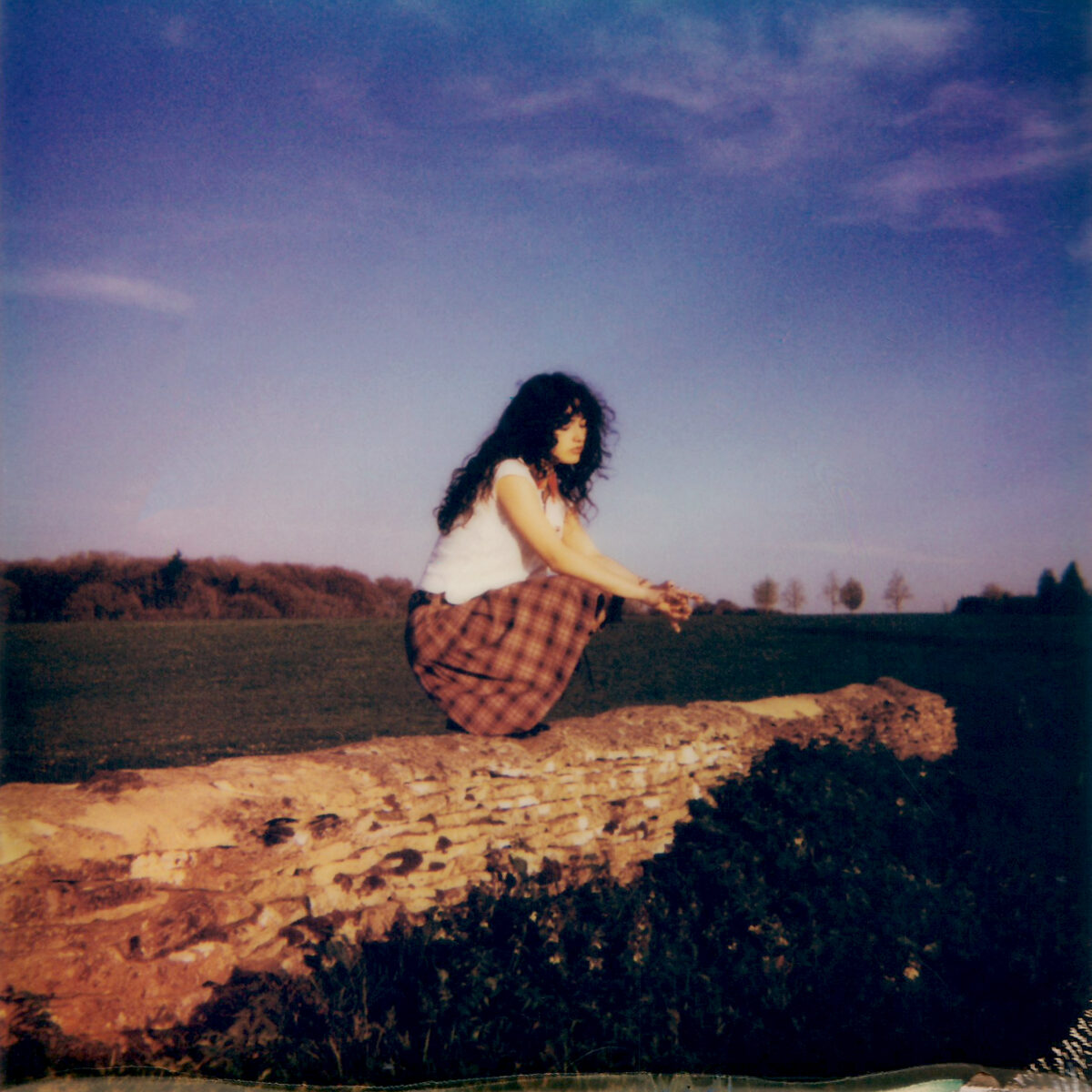
British singer, songwriter, and actress Asha Banks has released her new single, “Too Busy Missing You,” featured on the soundtrack for Prime Video’s new series Off Campus. Co-written with Max Wolfgang, the track explores the emotional paralysis of heartbreak – being so caught up in missing someone that life begins to pass by. Listen to “Too Busy Missing You” here. Watch the visualizer for “Too Busy Missing You” here.
Banks says the song helped her articulate a feeling she had struggled to put into words, adding that having the track featured in a Prime Video series is a dream, especially as music for film and television is an area she has long wanted to explore.
The release continues a major momentum streak for Banks, who has built a growing global profile as both an actress and musician. She starred in Prime Video’s My Fault: London and Netflix’s A Good Girl’s Guide to Murder, with upcoming roles in Your Fault: London and Season 2 of A Good Girl’s Guide to Murder. As a musician, she has earned millions of streams with songs including “So Green” and “Feel The Rush,” released her 2025 EP Untie My Tongue, and signed with Island Records in 2025.
“Too Busy Missing You” follows Banks’ collaborative EP Everything Is About You with Novo Amor and Lowswimmer, as well as her acclaimed sophomore EP How Real Was It?. She has also collaborated with Holly Humberstone on “Dive,” which appeared in the credits of My Fault: London.
With sold-out headline shows across North America, the UK, and Europe, critical praise from outlets including NOTION, Atwood Magazine, HUNGER, and DORK, and a growing presence across music, television, and film, Banks continues to establish herself as one of the UK’s most compelling emerging multi-hyphenate talents.
There’s something unmistakably magnetic about Sophia Delucchi – a presence that feels both grounded and luminous, like she’s fully aware of the moment she’s in, yet already reaching toward what’s next.
When we connect, she’s warm, thoughtful, and effortlessly engaging – the kind of person who makes conversation feel less like an interview and more like catching up with someone you’ve known for years. But beneath that ease is a performer deeply committed to her craft, one who doesn’t just step into characters – she dissolves into them.
In the ever-evolving world of vertical storytelling, Sophia is not only finding her footing—she’s helping define what’s possible.
From Stage to the Screen
Long before vertical dramas, Sophia’s foundation was rooted in performance – specifically, musical theater.
Raised in Northern California’s East Bay, she eventually made her way to Los Angeles to study at AMDA College of the Performing Arts, splitting time between LA and New York. Like many performers, her original trajectory pointed toward Broadway.
But timing had other plans.
“I always thought I would end up in New York doing Broadway,” she says. “And then the pandemic happened.”
What could have been a derailment became a pivot.
“It gave me time to slow down – time I never would have allowed myself otherwise. And that’s when I started exploring TV and film.”
That exploration would eventually lead her into the vertical space – an industry still defining itself, but one she’s already helping shape.
The Vertical Evolution: From Formula to Freedom
Sophia entered vertical storytelling at a time when the format was still heavily templated – predictable tropes, repeated character archetypes, and limited creative deviation.
“It was very cookie-cutter for a while,” she explains. “CEO billionaires, single moms, very similar storylines.”
But now?
“It’s such a treat when something pushes the envelope.”
And that shift isn’t accidental.
Sophia is quick to point out that vertical storytelling is uniquely responsive to its audience.
“This space is different because the audience has a voice. They’re asking for stronger female arcs, different stories – and we’re starting to see that.”
That responsiveness is fueling a creative evolution – one she’s genuinely excited about.
I’ve had scripts come through recently that really impressed me. I’m hopeful. I think we’re heading in a really good direction.
“Once I step into character, Sophia is gone.”
Chemistry, Connection, and the Art of Becoming Someone Else
If there’s one thing Sophia clearly thrives on, it’s connection.
Not just with audiences – but with her scene partners, often under intense, accelerated conditions.
“You meet someone 20 minutes ago in hair and makeup,” she says, laughing. “And your first scene is professing your love.”
It’s a dynamic that would rattle most people – but for Sophia, it’s where the magic happens.
“I love creating chemistry. I really love it.”
That ability stems from her training – but also from something more instinctive.
“Once I step into the character, Sophia is gone.”
And in that disappearance, something powerful emerges.
“It’s like being an escape artist. You step into another world – and for that moment, it’s completely real.”
The Emotional Cost of High-Speed Storytelling
Vertical productions move fast. Extremely fast.
Scenes jump from heartbreak to romance to chaos – sometimes within the same hour.
“One minute you’re filming a kidnapping, the next you’re on a romantic date, and then your dad dies,” she says. “It’s a lot.”
And while the stories are fictional, the emotional toll is very real.
“Your nervous system doesn’t know it’s fake,” she explains. “You go home exhausted, and you have to remind yourself – ‘That wasn’t real. You’re okay.’”
It’s a level of emotional immersion that requires both discipline and recovery – especially when projects stack back-to-back.
“I did four in a row once. No breaks,” she says. “And I hit burnout. It’s something we have to be really mindful of.”
“It’s like being an escape artist – you step into another world, and it’s completely real.”
Building a Character: Music, Memory, and Mannerisms
Sophia’s process is as intentional as it is intuitive.
Every character begins the same way:
A visual collage
A curated playlist
“I build a full playlist for every character,” she says. “It’s my lifeline.”
Music becomes the emotional anchor – helping her transition instantly between scenes, tones, and states of mind.
“It helps me lock into the moment.”
She also draws inspiration from real life – subtle behaviors, gestures, and habits.
“We used to study people in school,” she explains. “And now I pull those mannerisms into characters.”
It’s how authenticity is built – not through imitation, but observation.
“The audience has a voice in this space – and they’re asking for better stories.”
Improvisation, Freedom, and Finding Joy on Set
While many actors rely heavily on structure, Sophia thrives in spontaneity.
“I love improvising,” she says. “That’s when you’re really living as the character.”
Some of her most memorable moments weren’t scripted at all.
“There are lines people respond to – and I’m like… that was just me.”
That creative freedom was especially present in one of her more comedic projects:
“My Boss Thinks I’m a Boy,” a wildly different tone from her more dramatic work.
“I put that wig on and just lived,” she laughs. “It was so much fun.”
“AI can’t live and breathe in a character. That’s what makes this work human.”
The Reality of AI – and Protecting What’s Human
As vertical content grows, so does concern around AI-generated performances.
Sophia doesn’t shy away from the conversation.
“It’s tricky,” she says. “We’re all trying to figure out how to protect ourselves and our likeness.”
What concerns her most isn’t just the technology – but what it replaces.
“What I love about this space is the community,” she explains. “The connection between creators and audiences.”
And that’s something AI simply can’t replicate.
“It can’t live and breathe in a character.”
Who She Wants to Work With Next
When asked who’s on her dream collaboration list, Sophia lights up.
“I’d love to work with more of the girls,” she says. “We need more female-driven stories.”
But on the opposite side?
“I’m waiting for the day I get to work with Noah Fearnley – I’d love a rom-com with him. And I’d love a drama with Eric Guilmette.”
It’s not just about working – it’s about creating something meaningful.
“Our paths will cross. I know they will.”
Why It All Matters
At its core, Sophia understands something fundamental about storytelling:
People don’t just watch content – they feel it.
“I want to create something people can turn to – on a good day or a bad day – that makes them feel something.”
And in a world that’s increasingly fast, fragmented, and artificial – that kind of connection matters more than ever.
Final Thoughts
Sophia Delucchi isn’t just part of the vertical wave – she’s part of its evolution.
She brings discipline from the stage, adaptability from the screen, and a deeply human approach to every role she takes on.
Whether she’s navigating high-stakes drama, embracing comedic chaos, or building characters through music and memory – one thing is clear:
The Wallflowers have revealed an exciting 2026 tour across the US (including Canada) and Europe, where they’ll play their breakthrough 1996 album Bringing Down the Horse front-to-back for the first time ever – in honor of its 30th anniversary – alongside a full performance of Tom Petty & The Heartbreakers’ classic Long After Dark.
This special run delivers a one-of-a-kind live experience for fans on both sides of the Atlantic.
“Coming back after such a long time, we wanted to do something special for the 30th anniversary of Bringing Down the Horse,” said frontman Jakob Dylan. “We decided to play what seems to be our fans’ favorite Wallflowers album, and for us, we wanted to play one of our favorite Tom Petty and the Heartbreakers records, Long After Dark.”
A Landmark Album Turns 30
Released in 1996, Bringing Down the Horse defined an era. The record sold more than four million copies worldwide and spawned four massive hits: “One Headlight,” “The Difference,” “Three Marlenas,” and “6th Avenue Heartache.”
At the 1998 Grammys, The Wallflowers took home Best Rock Performance by a Duo or Group, while “One Headlight” won Best Rock Song. That track still reigns as the #1 song on Billboard’s “Greatest of All Time Adult Alternative Songs” chart. The album’s success launched a three-decade career that continues to thrive.
Honoring a Friendship with Tom Petty
Long After Dark (1982) is widely considered one of Tom Petty & The Heartbreakers’ finest albums. Jakob Dylan, a longtime admirer, was personally asked by Petty to induct him into the Rock & Roll Hall of Fame in 2002. Their bond was also celebrated in the 2018 documentary Echo in the Canyon (executive produced by and starring Dylan), which featured Petty’s final on-screen appearance.
Recent Work Keeps the Legacy Alive The Wallflowers continue to deliver with their 2021 album Exit Wounds, which earned rave reviews:
Uncut: “…rocks with smouldering intensity”
MOJO (4 stars): “It’s his best original work by some years”
Pitchfork, KCRW, and SPIN all praised its depth and enduring power.
THE WALLFLOWERS 2026 TOUR DATES (North American leg – European dates announced separately; full schedule and tickets at WallflowersMusic.com)
April 2026
April 17 – Revolution Hall – Portland, OR
April 18 – Edmonds Center for the Arts – Edmonds, WA
April 19 – Commodore Ballroom – Vancouver, BC
April 21 – Uptown Theatre – Napa, CA
April 23 – Grand Sierra Resort and Casino – Reno, NV
April 24 – Visalia Fox Theatre – Visalia, CA
April 25 – Golden State Theatre – Monterey, CA
April 26 – Stagecoach Music Festival – Indio, CA
April 28 – KiMo Theatre – Albuquerque, NM
April 30 – Gruene Hall – New Braunfels, TX
May 2026
May 1 – Granada Theater – Dallas, TX
May 2 – Tulsa Theater – Tulsa, OK
May 4 – Buckhead Theatre – Atlanta, GA
May 5 – The Orange Peel – Asheville, NC
May 7 – Harvester Performance Center – Rocky Mount, VA
May 8 – Penn’s Peak – Jim Thorpe, PA
May 9 – The Wellmont Theater – Montclair, NJ
May 10 – Infinity Music Hall – Hartford, CT
May 12 – Colonial Theatre – Laconia, NH
May 14 – Parx Casino – Bensalem, PA
May 15 – The Event Center at Hollywood Casino – Charles Town, WV
May 16 – The Paramount – Huntington, NY
May 17 – Greenwich Odeum – East Greenwich, RI
May 19 – The Ridgefield Playhouse – Ridgefield, CT
May 21 – Basilica Hudson – Hudson, NY
May 22 – The Cabot Theater – Beverly, MA
May 23 – Waterville Opera House – Waterville, ME
May 24 – Criterion Theater – Bar Harbor, ME
June 2026
June 4 – Elvis Presley’s Memphis – Graceland Soundstage – Memphis, TN
June 5 – Brooklyn Bowl Nashville – Nashville, TN
June 6 – Railbird Music Festival – Lexington, KY
June 9 – Michigan Theater – Ann Arbor, MI
June 11 – The Vic Theatre – Chicago, IL
June 12 – Door Community Auditorium – Fish Creek, WI
June 13 – First Avenue – Minneapolis, MN
June 14 – Hoyt Sherman Place – Des Moines, IA
June 16 – Barrymore Theatre – Madison, WI
June 18 – The Englert Theatre – Iowa City, IA
June 19 – Summer Jam Fair – Eau Claire, WI
June 20 – Steelhouse Omaha – Omaha, NE
June 21 – The Cotillion – Wichita, KS
June 23 – Liberty Hall – Lawrence, KS
June 25 – Pikes Peak Center for the Performing Arts – Colorado Springs, CO
June 26 – Chautauqua Auditorium – Boulder, CO
June 27 – Vilar Performing Arts Center – Beaver Creek, CO
June 28 – Strings Music Pavilion – Steamboat Springs, CO
June 30 – Center for the Arts – Jackson Hole, WY
July – September 2026
July 1 – Pine Creek Lodge – Livingston, MT
July 30 The Hall – Little Rock, AR
July 31 – Von Braun Center – Mars Music Hall – Huntsville, AL
Aug.1 – The Plant – Dothan, AL
Aug.2 – Saenger Theatre – Pensacola, FL
Aug.6 – The Windjammer – Isle of Palms, SC
Aug.7 – Greenfield Lake Amphitheatre – Wilmington, NC
Aug.8 – Paramount Bristol – Bristol, TN
Aug.9 – Carolina Theatre – Durham, NC
Aug.11 – Bottle & Cork – Dewey Beach, DE
Aug.13 – Melody Tent – Hyannis, MA
Aug.14 – The Range Live Music & Concert Venue – Mason, NH
Aug.17 – Count Basie Center for the Arts – Red Bank, NJ
Aug.18 – Paramount Theatre – Rutland, VT
Aug.21 – Danforth Music Hall -Toronto, ON
Aug.22 – Point of the Bluff Vineyard – Pavilion – Hammondsport, NY
Aug.24 – The Kent Stage – Kent, OH
Aug.25 – The Metropolitan Theatre – Morgantown, WV
Aug.27 – Temple Theatre – Saginaw, MI
Aug.28 – Brown County Music Center – Nashville, IN
Aug.29 – Lincoln Amphitheatre – Lincoln City, IN
Aug.30 – The Pageant – Saint Louis, MO
Sept.1 – Gillioz Theatre – Springfield, MO
Sept.3 – The District – Sioux Falls, SD
Sept.4 – Mayo Clinic Health System Event Center – Mankato, MN
Sept.5 – Lake Superior Big Top Chautauqua – Bayfield, WI
Sept.6 – The Pabst Theater – Milwaukee, WI
Tickets & Info
Tickets are on sale now via the venues and Bandsintown. For the latest updates, full European leg details, and more, visit:
This is shaping up to be one of the must-see tours of 2026 — a perfect tribute to two iconic albums and a legendary friendship. Catch them nearby in Atlanta on May 4 at Buckhead Theatre!
There’s a certain kind of honesty that doesn’t feel rehearsed – and Shayne Davis carries it effortlessly. It’s not performative humility or curated vulnerability. It’s something sharper, more lived-in. The kind that only comes from experience – real experience. The kind that reshapes a person from the inside out.
When we sit down to talk, the conversation moves quickly past surface-level industry talk and into something far more revealing: identity, addiction, ego, discipline, and the rapidly evolving world of vertical storytelling.
Because for Shayne, this isn’t just about acting. It’s about becoming.
Finding His Way Into a New Medium
Like many actors navigating today’s fragmented entertainment landscape, Shayne didn’t enter the vertical space with full clarity – or even confidence.
“I didn’t know what verticals were,” he admits. “I didn’t know who was watching them. I kept it a secret at first.”
There’s a candid humor in how he recalls those early days – working on projects with titles that felt more absurd than aspirational. But beneath that hesitation was something more universal: the fear of being misunderstood in an industry that constantly shifts its definition of legitimacy.
What changed?
Two things.
First, perspective.
“It became obvious to me that this space is the future of entertainment,” he says. “More money, more eyeballs – it’s only growing.”
And second, connection.
Meeting fans—whether online, at events, or unexpectedly in public—reframed everything.
“At first I was like, who am I doing this for? Then I met them. And I realized—this is for people. Real people.”
“It became obvious to me that this space is the future of entertainment,” he says. “More money, more eyeballs – it’s only growing.”
From Shame to Ownership
“There was a point when I was shame-struck,” Shayne says. “Not starstruck – shame-struck.”
It’s a rare admission – and one that marks a clear turning point.
Instead of distancing himself from the medium, he leaned in.
Now, he speaks about vertical storytelling not as a fallback, but as a legitimate, fast-growing lane – one that rewards both adaptability and authenticity.
The Craft: Learning the Room – and Who You Want in It
“They showed me the ropes,” he says. “I didn’t even realize they were vets at first.”
But what continues to drive him isn’t just experience—it’s collaboration. The opportunity to step into scenes with actors who challenge, surprise, and elevate the moment.
And when asked who he’d most like to work with next in the vertical space, Shayne doesn’t hesitate.
At the top of his list is Kirby [Ellwood] an actress he respects deeply for her craft. “She’s just really good,” he says simply, without over-explaining it. It’s the kind of respect that doesn’t need embellishment.
He also points to Hannah Lowery, someone he’s already shared screen time with, but in a limited capacity. “We did a short piece together,” he explains, “but I’d want to do something where we’re really leading together.”
On the male side, the motivations shift slightly – from admiration to chemistry and familiarity.
“Sam Morgan,” he says, is a must. “He’s the one who got me into the space.”
There’s history there. Trust. The kind of dynamic that translates naturally on screen.
And then there’s Jeff Violette – someone Shayne describes as both talented and effortlessly entertaining.
“He’s funny. He’s just cool,” Shayne says. “I know it would be a good time on set.”
What ties all of these choices together isn’t status – it’s energy.
“I want to see how people move,” he explains. “How they interpret characters. Everybody’s got their own style.”
For Shayne, the ideal collaboration isn’t just about performance – it’s about discovery. The subtle push and pull between actors that turns a scene into something alive.
Reality TV vs. Acting: Control vs. Exposure
Shayne’s time in reality television adds a layer of perspective that many actors avoid discussing openly. (He was in the most recent season of Vanderpump Rules).
“The biggest difference? Control,” he explains. “In acting, the edit is designed to make you look like a superhero. In reality TV, that’s not the goal.”
But what viewers see isn’t fake – it’s filtered.
“It’s all real,” he says. “But people wear psychological masks.”
For Shayne, that mask initially looked like the “party version” of himself—until it became unsustainable.
“I couldn’t hold it anymore,” he says. “And that’s when I started becoming more myself.”
“It’s not just about showing up anymore,” he says. “It’s abut how you show up.”
Discipline, Sobriety, and the Work Beneath the Work
Before sobriety, discipline existed – but in fragments.
“I was still showing up,” he says. “Just not at my highest level.”
Now, discipline is layered into everything:
Daily reading
Prayer and meditation
Being of service to others
Emotional accountability
“It’s not just about showing up anymore,” he says. “It’s about how you show up.”
His perspective on addiction is equally grounded.
“There’s no substance that’s impossible to get addicted to,” he explains. “Some people are fine. Some people aren’t.”
And then, the line that lingers:
“Some things won’t destroy your life – but they’ll stop you from becoming what you could be.”
Ego, Humility, and the Illusion of Status
“I thought I was the shit when I was at my lowest,” Shayne says.
It’s a statement that reframes everything.
Because for him, real growth didn’t come with success – it came after it.
“My ego wants the Ferrari moment,” he admits. “But what’s actually powerful is humility.”
In an industry that often rewards perception over substance, that distinction matters.
Music, Influence, and Creative Energy
Music plays a constant role in Shayne’s life – especially Southern hip-hop.
Artists like Lil Boosie, Kevin Gates, and Three 6 Mafia dominate his rotation, alongside legends like Eminem and staples of the Houston rap scene.
But when it comes to creative work – especially screenwriting – his taste shifts.
“I’ll throw on something like the Nightmare on Elm Street soundtrack,” he says. “That’s how I get into the zone.”
It’s not about lyrics – it’s about atmosphere.
“I’m being selective,” he says. “It’s a long-term play.”
What Comes Next
Shayne’s ambitions extend far beyond verticals – into film, screenwriting, and long-form storytelling.
But he’s intentional about how he gets there.
“I’m being selective,” he says. “It’s a long-term play.”
Because he understands something many don’t:
Not every opportunity is aligned with the life you’re trying to build.
The Bigger Picture
“I want to leave no stone unturned,” Shayne says.
And he means it.
Not recklessly. Not impulsively.
But with intention.
With awareness.
With the kind of discipline that comes from having already lived through the extremes.
In a space that often prioritizes visibility over depth, Shayne Davis is building something different.
On transformation, instinct, and why the best actors never arrive
There’s a certain kind of actor who performs – and then there’s the kind who absorbs.
By the time I connected with Felix Merback, he was juggling production calls, navigating the early stages of building something much larger than himself, and – like the rest of us – trying not to get sick mid-shoot. It wasn’t a polished, media-trained moment. It was real. Slightly chaotic. Unfiltered.
Which, as it turns out, is exactly where Felix does his best work.
The Actor Who Doesn’t Want Comfort
Merback doesn’t speak about acting like a career. He speaks about it like a discipline – one rooted in repetition, failure, and constant recalibration.
“I don’t want to do the same thing over and over again,” he tells me. “That’s not interesting to me.”
There’s no hesitation in that statement. No hedging. Just clarity.
Trained in theater before transitioning to film, Felix describes his evolution as a process of both learning and unlearning – stripping away what doesn’t translate, rebuilding what does. It’s a mindset that has led him toward roles that differ not just in tone but also in psychological demand.
From unsettling, morally ambiguous characters to grounded, emotionally restrained leads, his choices reveal a deliberate rejection of typecasting.
What he’s chasing isn’t genre – it’s tension.
“I want something that challenges me,” he says. “Even if that means I fall flat on my face. That’s how you get better.”
The Switch: Stepping In – and Out – of Darkness
For actors who take on darker roles, there’s often a lingering question: how do you leave it behind?
For Felix, the answer is surprisingly precise.
“If I’ve done the work, I can click in and out,” he explains. “It’s like a light switch.”
That ability, he suggests, comes from an unusually direct access to his own emotional range—something he’s spent years refining. Not suppressing, but understanding.
There’s no romanticizing of suffering here. No performative “method” mythology.
Instead, there’s control.
And perhaps more importantly, responsibility.
Energy On Set: The Invisible Leadership
Felix is acutely aware of something many actors overlook: presence isn’t just about performance—it’s about impact.
“There’s a power to being at the top of the call sheet,” he says. “Your energy affects everyone.”
It’s a pragmatic philosophy. If you show up with ego, tension follows. If you show up grounded, collaborative, and open, the entire production shifts.
He chooses the latter.
Not because it’s expected – but because it’s effective.
A Medium in Motion: Vertical Storytelling
In a space often criticized for repetition, Felix is part of a small but growing group of actors pushing vertical storytelling beyond its perceived limits.
Where others settle into familiar archetypes, he’s actively seeking contrast – range that disrupts audience expectations rather than reinforces them.
“I don’t want to stay in one lane,” he says.
It’s a simple idea, but in a format built for speed and volume, it’s quietly radical.
Who He Wants to Work With Next
That forward momentum extends beyond the roles he chooses – it’s also reflected in the collaborators he’s drawn to.
When asked who he’d like to work with in the vertical space, Felix doesn’t hesitate.
Rebecca Stoughton and Tess Dinerstein are high on the list – actors he hasn’t yet shared the screen with but clearly respects. He also mentions Nick [Ritacco], someone he sees with strong creative potential, even entertaining the idea of dynamic roles that could flip between adversarial and romantic.
Jackson [Tiller] is another name he returns to – despite having worked together briefly, Felix is interested in a more fully realized collaboration.
What stands out isn’t just the names – it’s the intent.
He isn’t chasing visibility. He’s curating chemistry.
Still image from “The Summer I Turned Bad” featuring Felix Merback and Cayla Brady – Photo provided by Felix Merback
Influences: A Living Archive
Ask Felix who inspires him, and you won’t get a fixed list – you’ll get a system.
“I’m influenced by what I’m watching in the moment,” he says. “It all goes into the toolkit.”
Right now, that toolkit includes the calculated unraveling of Bryan Cranston in Breaking Bad, the unsettling precision of Jake Gyllenhaal in Nightcrawler, and the near-mythic transformation of Daniel Day-Lewis.
But just as often, inspiration comes from something smaller – a single moment of truth from an unexpected source.
“That’s what I love,” he says. “When something just feels real.”
The Soundtrack Behind the Work
That same sense of absorption extends beyond film.
Music, for Felix, isn’t background noise – it’s another entry point into emotion, rhythm, and tone.
His taste is as eclectic as his roles.
From the atmospheric storytelling of Glass Animals to the timeless introspection of Pink Floyd, his influences move fluidly between eras and genres. Amy Winehouse’s raw vulnerability, the eccentric unpredictability of Primus, and the lyrical precision of JID round out a list that reflects both depth and range.
It’s not a curated aesthetic – it’s a reflection of how he processes the world.
And much like his acting, it resists easy categorization.
Drawn to the Edge
Felix’s early exposure to film wasn’t curated – it was exploratory. Sometimes chaotic. Often provocative.
From Stephen King adaptations to psychologically intense cult classics, he found himself less interested in comfort than in boundaries.
“I was always fascinated by how far you could take something,” he admits.
Not for shock value – but for possibility.
What happens when a story pushes past expectation? What lives on the other side of that line?
For Felix, those questions aren’t theoretical. They’re foundational.
Beyond Acting: Building Something That Lasts
That same curiosity is now extending into production.
Through his work with Full Moon Features, Felix is helping develop original vertical content that aims to bridge the gap between traditional filmmaking and the rapidly expanding digital-first landscape.
The goal isn’t just to participate in the space – but to reshape it.
“We want to tell stories that feel different,” he says. “Something that doesn’t alienate the audience – but also doesn’t underestimate them.”
It’s a careful balance. And one he seems intent on getting right.
The Mindset: Never Finished
If there’s a throughline to everything Felix says, it’s this:
He doesn’t believe in arrival.
“I don’t ever want to think, ‘I’ve made it,’” he says. “I always want to keep growing.”
There’s no false humility in that. Just awareness.
Because for actors like Felix Merback, the work isn’t about reaching a peak.
It’s about staying in motion.
Photo provided by Felix Merback
The Prediction
There’s a moment, late in our conversation, where I tell him what I tell very few people:
He’s going to be on a much bigger stage one day.
Not hypothetically. Not aspirationally. Inevitably.
He laughs – but not dismissively.
“Then you’re getting a plus-one ticket,” he says.
I’ll hold him to that.
Because if there’s one thing I’ve learned after years of doing this – it’s that you can tell who’s just performing…and who’s becoming.
In the ever-evolving world of vertical storytelling, few creatives are as hands-on – or as multifaceted – as Eric Taylor Guilmette. Actor. Producer. Poet. Entrepreneur. Music lover.
Over the course of our conversation, Eric opened up about the vertical that changed everything, why he stepped into producing, how music shapes his writing, and why he believes creativity thrives when you give yourself permission to explore more than one path.
The Vertical That Started It All: You Belong With Me
For many viewers, Eric’s breakout moment came with You Belong With Me, where he played the unforgettable Uncle Henry Lockwood.
Rather than feeling boxed in by the role, Eric sees it as a gift.
“It did so much for me because it brought so many people in. I can list ten people I know that are fans in this space and that was their first vertical. I feel lucky it’s something I’m proud of.”
What made it stand out? Tone.
Eric believes many verticals miss the mark by leaning too heavily into exaggerated tropes. But You Belong to Me felt different — grounded, romantic, and tonally balanced.
“It was nice to have a rom-com that didn’t feel overdone.”
The industry may not be big on sequels yet, but Eric sees opportunity in the risk.
“Why hasn’t an app said, ‘We’re going to make a five-part series’ and just done it? You have to take risks. You have to have your experimental thing.”
That mindset – creative risk over creative safety – is what ultimately led him behind the camera.
ReelShort’s ‘You Belong With Me’ featuring Eric Guilmette + Emma Hullar – Photo by ReelShort
From Actor to Producer: Building Stories That Last
Eric’s transition into producing wasn’t accidental – it was intentional.
With Love and Blood, a fan-favorite project he helped bring to life, Eric stepped deeper into the development process. While he didn’t write the script, he was heavily involved in the concept room, shaping the tone and direction alongside collaborators.
“We wanted to create something that could go on beyond just one thing.”
The process was deeply collaborative: writers delivering pages in batches, constant notes, tone adjustments – refining until it felt right.
The result? A vertical that resonated with audiences because it felt meaningful rather than manufactured.
That desire to create original intellectual property has now evolved into a new chapter: Full Moon Artists, an extension of the long-standing horror production company Full Moon Features.
“It’s our IPs. It’s not IPs that are given to us to go shoot. We have the ability to make things we want to make — things fans want to see.”
For Eric, the goal isn’t shock value. It’s emotional resonance.
“Most viewers just want a distraction — something that makes them smile.”
The Poet Behind the Screen
Before the producing credits and sold-out jewelry drops, there was poetry.
Eric didn’t begin writing poems until age 26 – proof that creative discovery doesn’t follow a timeline.
“Give yourself the opportunity to figure out what you like and what you’re good at. A lot of my God-given talents — I didn’t know I had any of it.”
He initially studied math and economics with plans to work as a quantitative analyst on Wall Street. Instead, he pivoted toward storytelling — and never looked back.
His debut poetry collection, Sex and Oatmeal, debuted strongly on Amazon and cultivated a devoted readership. A special edition of the book will debut at The Ink Collective in London this April, with a second manuscript already 95% complete.
“I like being a poet — and this, and this, and this. That’s my personality.”
For Eric, creativity isn’t singular. It’s layered.
Music as Muse: Albums That Shaped Him
Music plays a profound role in Eric’s writing process, especially when crafting poetry.
The first album he fell in love with? No Shoes, No Shirt, No Problems by Kenny Chesney — a formative record that cemented his love of country music at age nine.
From there, his influences expand widely:
John Mayer — particularly Sob Rock and The Search for Everything, both of which influenced the writing of Sex and Oatmeal.
Cody Simpson — especially his acoustic catalog.
Trevor Hall
Jason Mraz
Jack Johnson
Tash Sultana
Coldplay
He even curated a public Spotify playlist titled Sex and Oatmeal featuring songs that shaped the book’s emotional landscape.
When discussing Tash Sultana’s live performances, Eric lights up.
“She live-mixed ‘Mystik’ on stage – guitar, bass, saxophone. I was like, Jesus Christ, you are so talented.”
The throughline in all his influences? Emotional authenticity.
Photo provided by Eric Guilmette
Gratitude, Fans, & Staying Grounded
Despite growing recognition, including a recent award at the Vertical Awards, Eric remains deeply aware of the people who support him.
“I don’t have a namesake without the people who support me.”
He makes time for photos. For conversations. For acknowledgment.
“When people say they don’t do photos with fans, I’m like, what are you talking about? You are you because of them.”
In a space where parasocial relationships blur reality, Eric emphasizes something simple: kindness.
He understands that public perception is only one layer of a person, but he strives to ensure that how he shows up matches what people hope to see.
Entrepreneurship Beyond Acting
Acting and poetry aren’t his only ventures. Eric’s jewelry drops sell out within minutes — a testament to his engaged fanbase.
“Be there in the first five minutes. Otherwise, you’re probably not going to get what you want.”
Rather than seeing this as hype culture, he views it as a blessing – a sign that people genuinely care.
And care is a recurring theme in everything he builds.
On Age, Reinvention & Creative Permission
One of the most powerful takeaways from our conversation was Eric’s perspective on reinvention.
“I went to school for math and economics. I was supposed to work on Wall Street. And then I went this route.”
He encourages creatives at any stage to explore new directions.
“We get stuck in a way of never being able to discover things we might actually love.”
Whether it’s poetry at 26, producing at 30, or launching new IP in an emerging format, Eric’s career reflects one consistent truth: curiosity fuels longevity.
What’s Next?
A special edition of Sex and Oatmeal debuting in London this April.
A second poetry collection likely arriving in late 2025 or early 2026.
Original vertical productions under Full Moon Artists.
Continued exploration across acting, producing, and music-driven creative collaborations.
If there’s one thing Eric Taylor Guilmette makes clear, it’s this:
He’s not interested in being just one thing.
And that may be exactly why audiences continue to follow wherever he goes next.
Rock icon Billy Idol is the subject of a new feature-length documentary, Billy Idol Should Be Dead, which will debut on Hulu on March 26, 2026. Directed by acclaimed filmmaker Jonas Åkerlund, the documentary arrives following its theatrical premiere at Los Angeles’ TCL Chinese Theatre and earlier festival screenings, including the Tribeca Film Festival.
The film explores Idol’s remarkable life and career—from his beginnings as a member of the pioneering punk band Generation X to his meteoric rise as a global rock star during the MTV era. Through rare archival footage and candid interviews with Idol, his family, collaborators, and fellow musicians, the documentary reveals the highs, setbacks, and resilience behind one of rock’s most recognizable figures.
Alongside the film’s release, Idol is also nominated for induction into the Rock and Roll Hall of Fame Class of 2026, with fan voting currently underway. Voting is open here.
The documentary features the original song “Dying To Live,” written by Idol with Academy Award–nominated songwriter J. Ralph and longtime collaborator Steve Stevens, among others. The track appears during the film’s closing sequence and was recently shortlisted for Best Original Song at the Academy Awards while also receiving nominations at the Hollywood Music in Media Awards.
The documentary arrives amid a major resurgence for Idol. His latest album, Dream Into It, released via Dark Horse Records, marks his first full-length collection of new music in more than a decade and has charted internationally while earning strong critical acclaim. The album includes collaborations with artists such as Avril Lavigne, Joan Jett, and Alison Mosshart.
Nearly five decades after emerging as one of the original British punk voices, Billy Idol continues to shape rock music through new releases, global touring, and now a definitive documentary that captures the story of a career defined by rebellion, reinvention, and endurance.